
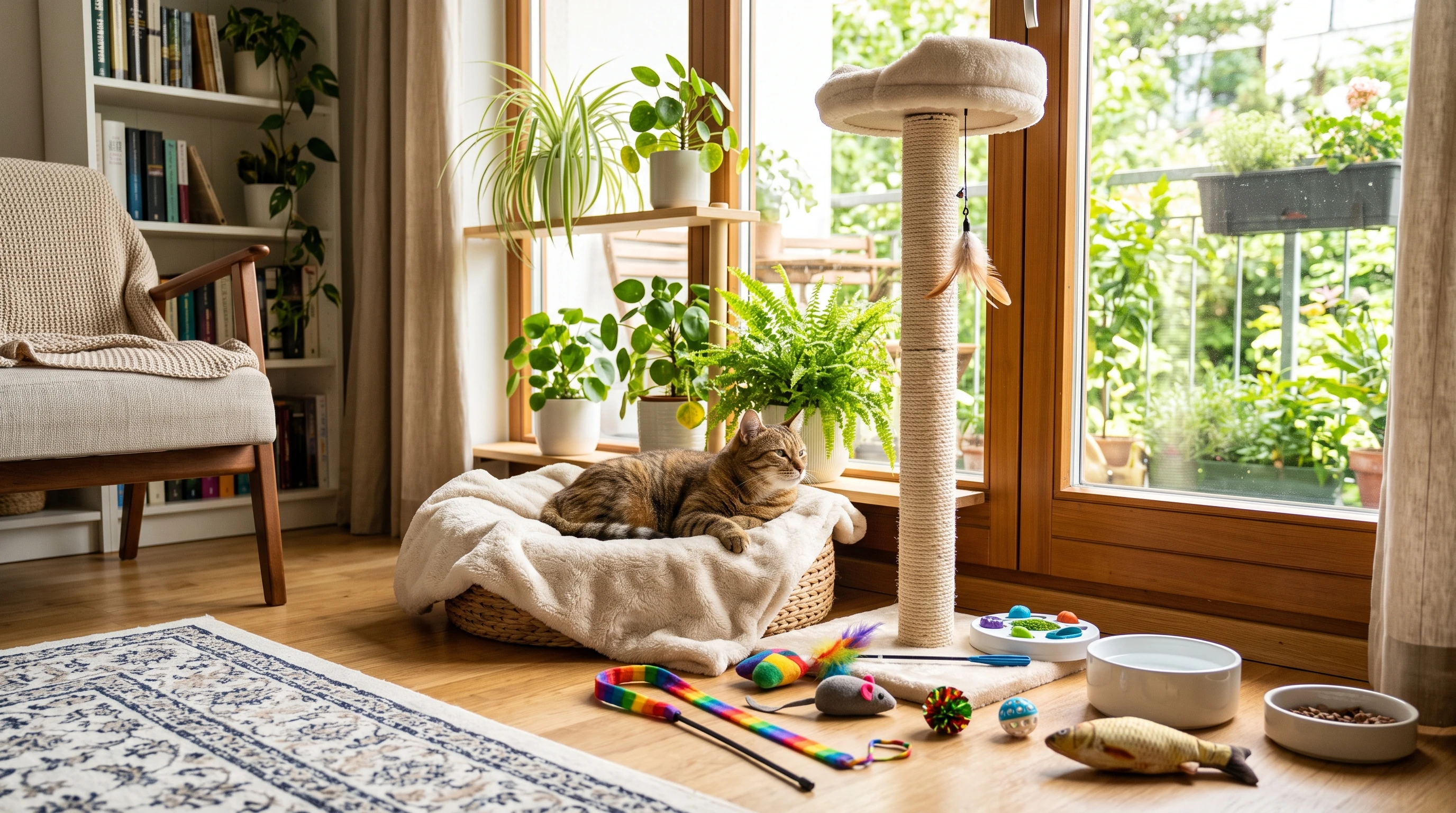
Many people assume that indoor cats require less healthcare because they are protected from many of the risks found outdoors. While it’s true that indoor cats face fewer hazards, they still need regular preventive care to stay healthy throughout their lives. The reality is that while an indoor lifestyle does shield cats from cars, wild animals, and certain infectious diseases, there are still health challenges that can affect them throughout their lives. Obesity, dental disease, urinary issues, behavioral problems, and even some parasites can sneak up if not proactive about their care.
What Makes Indoor Cat Health Protection Important?
Although indoor cats generally live longer than outdoor cats, they are still at risk of chronic diseases that can develop with age. Routine preventive care plays an important role in keeping them healthy. Over the years, an indoor cat can still develop chronic illnesses such as kidney disease, diabetes, and arthritis. Health risks don’t disappear just because a cat lives indoors; some threats simply change.
Even indoor cats may be exposed to parasites and infectious diseases through people, other pets, pests that enter the home, or contaminated items such as shoes and clothing.
Early detection and regular monitoring give a cat a better shot at comfortable, longer-lasting health. It’s rewarding to know that by staying proactive, I can prevent a lot of stress and illness for my feline friend.
It’s also worth noting that cats spending most of their lives indoors often face health issues like inactivity or lack of stimulation. A cozy and safe environment is important, but so is providing the right nutrition, exercise, and mental stimulation to protect their overall well-being. Proper care is essential for helping cats avoid preventable illnesses and age gracefully at home.
Keep Vaccinations Up To Date
Vaccines play a key role in keeping cats healthy, even for those who never set paw outside. Always make sure core vaccines, like those for rabies and feline distemper, are up to date. A veterinarian also looks at your cat’s lifestyle, possible exposure to other animals, and household risk factors to tailor a vaccine schedule that makes sense for their indoor living.
Even if my cat is always indoors, I know that changing health guidelines or neighborhood outbreaks can mean vaccine needs change too. A vet checks these variables at every health visit to decide if anything needs an update. Make sure to ask your vet about regional risks and vaccine recommendations, since outbreaks or changing laws may alter your cat’s vaccine schedule. For more information on this topic, feel free to read Do Indoor Cats Need Vaccinations.
Feed a Balanced Diet
The right food makes a real difference for my cat’s everyday health and long-term comfort. I pick complete and balanced food that meets all age-related and medical needs. Portion control is important because it’s easy for indoor cats to eat more calories than they need. Measuring meals and limiting extra treats can help avoid weight problems.
Cats have different nutritional needs as they grow from kitten to senior. I check food labels for life-stage information and look for products labeled “complete and balanced” by groups like the Association of American Feed Control Officials (AAFCO). Ingredients lists give important clues about protein, fiber, and fillers. This helps ensure my cat is getting all essential nutrients in every meal. Read more on What To Look For In Cat Food
Understanding Nutrition Labels
The nutritional adequacy statement is the most important part of a cat food label because it confirms that the food is complete and balanced for a specific life stage. The ingredient list and guaranteed analysis can provide additional information, but they should not be used alone to judge a food’s quality. For most healthy indoor cats, choose a complete and balanced diet that provides high-quality animal protein and meets their age and lifestyle needs.
Choosing Complete Diets
Not all cat foods are created equal. I suggest choosing products from reputable brands that use quality control and clear labeling. “Complete and balanced” means the food supplies everything a cat needs without the need for extra supplements (unless the vet says otherwise).
Reading Ingredient Lists
Look for a complete and balanced cat food that contains high-quality animal protein among its primary ingredients. While the ingredient list can provide helpful information, it’s best to evaluate the food as a whole rather than judging it by a single ingredient. A nutritious diet that meets your cat’s life-stage needs supports healthy muscles, a shiny coat, a healthy weight, and overall wellness.
Encourage Healthy Water Intake
Hydration is just as important as food for a cat’s health. Unfortunately, many cats have a low thirst drive and can easily become dehydrated. Signs of dehydration include dry gums, slow skin pinch response, and lack of energy. Because adequate hydration supports urinary tract health and overall well-being, I do my best to encourage my cat to drink enough water.
- A water fountain may help increase your cat’s water intake, as many cats are naturally attracted to moving water.
- Placing multiple water bowls throughout my home gives my cat more chances to drink.
- Adding wet food to the daily diet can boost moisture intake and support urinary health.
- Make sure dishes are cleaned every day to keep bacteria at bay and water inviting for picky cats.
To read more on feline hydration, head over to Water Intake Guide For Cats.
Prevent Obesity Before It Starts
Indoor cats, including mine, don’t burn as many calories as outdoor cats. This makes them more susceptible to weight gain. Carrying extra pounds increases the risk of diabetes, joint issues, fatty liver disease, and other health problems. Monitoring weight every few months and adjusting food or activity if the pounds creep up really helps.
Obesity is common in house cats, so make it a habit to do regular weight and body checks. It’s much easier to avoid weight gain than it is to help an overweight cat slim down later. Offering interactive play and encouraging climbing or exploring can make a significant difference.
How I Manage My Cat’s Weight
- Portion control using a kitchen scale or measuring cup
- Scheduled feeding instead of leaving food out all day
- Daily play sessions to get the cat moving and engaged
- Switching up toys and activities to prevent boredom with exercise
For more tips, go to our related articles:
There, we share tips, tricks, and educational information on helping your feline friend start a healthy and fun exercise routine and maintain an ideal body weight.
Protect Digestive Health
Digestive upsets aren’t rare for cats living indoors. My cat can cough up hairballs from grooming, experience constipation if there’s little activity, or have tummy troubles from sudden food changes. I use a few strategies to keep digestion on track. Aiding digestive health is an ongoing effort—an active lifestyle and a fiber-rich, balanced diet can make a huge difference in your cat’s happiness and comfort.
Tips for Digestive Comfort
- Brushing my cat regularly helps cut down on hairballs
- Offering a bit of fiber in the diet (under vet advice) supports regular bowel movements
- Watching stool quality in the litter box lets me spot possible problems early
- Gradual food transitions reduce the risk of stomach upset
Read Natural Ways To Stop Cat Hairballs for more information.
Spaying or Neutering Improves Long-Term Health
I’ve found that spaying or neutering not only prevents unwanted litters but also cuts down on the risk of certain cancers and infections. Female cats are less likely to develop breast tumors and uterine infections, while males have lower odds of testicular problems and roaming behavior. Spaying and neutering can also help reduce urine marking and some common behavioral issues, making life at home more harmonious.
If you are interested in learning more about this topic, we have other articles focusing on this:
Routine Veterinary Checkups Matter
Cats are known for hiding signs of pain and illness, so subtle changes in their behavior are often the first indication that something is wrong. Having a commitment to annual vet checkups helps catch early warning signs. For senior cats—usually those aged seven and up—visits every six months give a cat owner peace of mind.
During each exam, your vet generally checks weight, heart, lungs, eyes, and teeth. Routine bloodwork can help detect health problems such as kidney disease and hyperthyroidism before obvious signs develop. Your veterinarian may also recommend a urinalysis and other tests based on your cat’s age, health, and physical examination. Dental exams are also an important routine in a cat’s annual visit, making it easier to plan timely cleanings and avoid pain later. Preventive care appointments are a vital part of making sure your indoor cat enjoys a comfortable life.
Dental Care Is Often Overlooked
Dental disease can start much sooner than many cat owners realize. You can get started brushing your cat’s teeth while they are young to make them feel comfortable with it. For cats that resist brushing, you can also use dental treats or toys designed for dental health. In my case, since I have multiple cats and some of them hate being touched in the mouth, I opt for a dental water additive. Annual veterinary dental cleanings keep tartar and gum disease from taking hold.
Signs of Dental Disease
- Bad breath
- Difficulty eating
- Drooling
- Pawing at the mouth
- Red or bleeding gums
The earlier you catch dental issues, the earlier your cat gets treatment and avoids complications. Clean teeth boost overall health, as oral bacteria can harm other organs if left unchecked.
Maintain a Safe Indoor Environment
A safe home is more than keeping the doors closed. Regularly check for and remove any toxic houseplants, put household chemicals out of reach, and avoid feeding your cat scraps or foods that can be dangerous (like onions, garlic, or chocolate).
Some common houseplants, including true lilies, sago palms, pothos, philodendrons, monstera, peace lilies, and dieffenbachia, can be harmful if chewed or ingested. If you suspect your cat has eaten a toxic plant, contact your veterinarian immediately.
Windows and balconies should have secure screens or barriers to prevent falls, even for cats who never try to escape. All cat toys are inspected regularly for loose parts or frayed strings, and keep electrical cords covered or hidden to avoid chewing accidents.
Safety checks include securing trash bins, covering sharp corners on furniture, and organizing cords or blind pulls that might tempt playful cats. Creating a cat safe zone or room with cozy bedding, climbing shelves, and quiet spaces can help cats relax and reduce stress during busy or noisy times in the home.
Provide Daily Mental Enrichment
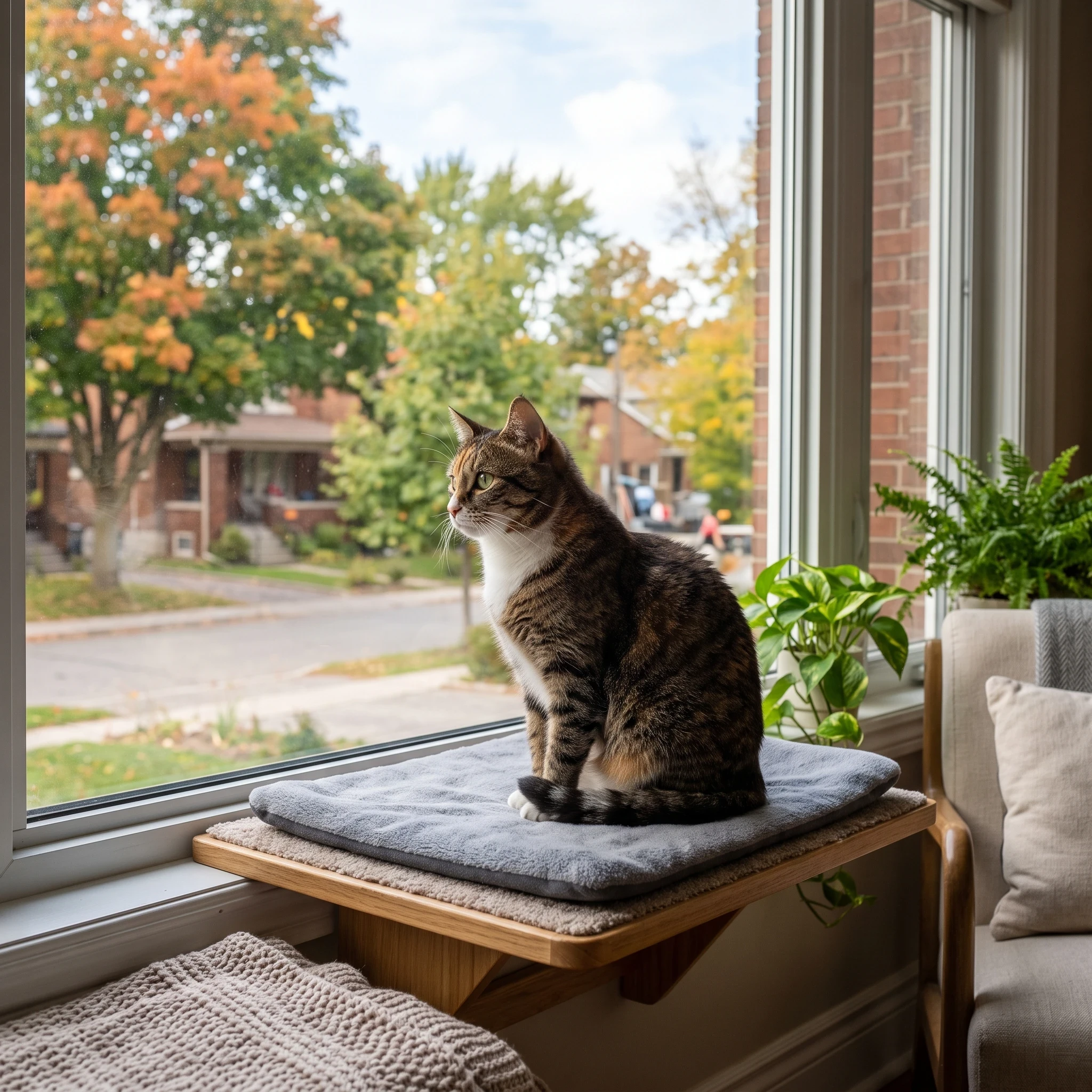
Mental stimulation provides both physical and emotional benefits. You can try to rotate toys, use puzzle feeders, and hide treats for your cat to “hunt.” Window perches are a favorite, giving cats hours of entertainment. Climbing trees and scratching posts encourage natural behaviors while offering a workout for muscles and claws. Enrichment prevents boredom and can help avoid unwanted behaviors like overgrooming or furniture scratching.
Playtime goes beyond just physical health. Interactive games like laser chasing, feather teasers, and slow-releasing treat balls challenge a cat’s mind and senses. Swapping out toys and changing play spots keeps activities exciting and curiosity strong. Simple things like paper bags, cardboard boxes, or safe tunnels can also work as effective and inexpensive enrichment tools.
Monitor Your Cat for Early Signs of Illness
Daily observation helps spot subtle changes. Watch out for things like a loss of appetite, increased thirst, sudden weight changes, vomiting, diarrhea, trouble using the litter box, or changes in grooming habits. Behavioral changes and unexplained hiding or aggression can also be red flags. If something seems unusual, contact your veterinarian. Quick attention can mean immediate treatment and less stress for both you and your cat.
It helps to observe your cat regularly and watch for changes in their energy level, appetite, drinking habits, litter box use, or behavior. Regular checkups make it easier to spot early signs or symptoms and get helpful information from a vet if problems arise. Being watchful every day lets me respond before minor annoyances become bigger health hazards for my indoor cat.
Indoor Cat Health Checklist
- ✔ Feed a balanced diet
- ✔ Encourage daily water intake
- ✔ Keep vaccinations current
- ✔ Schedule regular veterinary exams
- ✔ Maintain a healthy weight
- ✔ Provide daily exercise
- ✔ Offer mental enrichment
- ✔ Groom regularly
- ✔ Monitor for signs of illness
- ✔ Keep the home safe
Frequently Asked Questions
Do indoor cats still need vaccinations?
Yes! It is recommended to keep even indoor cats up to date on vaccines. Some infectious diseases can still reach indoor cats. Viruses such as feline panleukopenia (feline distemper) can be brought into the home on contaminated shoes, clothing, hands, or other objects, while parasites may be introduced by people, other pets, or pests that enter the home, so core vaccinations are important.
How often should indoor cats visit the veterinarian?
At least once a year for a wellness exam is a good baseline. Older cats or those with medical problems might need visits twice a year.
How can I keep my indoor cat from becoming overweight?
Measure food carefully, don’t free feed, and try to make sure the cat gets at least one or two active play sessions daily. Food puzzles and toys help keep them engaged and moving, too.
Is wet food better than dry food for indoor cats?
Wet food has more moisture, which helps with hydration and urinary health. I often mix both to encourage water intake and provide variety, especially for picky cats.
How much exercise does an indoor cat need each day?
Most cats benefit from at least 20 to 30 minutes of active play or movement daily. Multiple shorter sessions of chasing, hunting toys, or climbing is recommended.
What can I do if my indoor cat seems bored?
Try changing up the toys, introducing puzzle feeders, or setting up a bird-watching window perch. Regular play sessions and new experiences give your cat something to look forward to each day, reducing boredom and the risk of behavioral issues.
How do I handle multiple cats indoors?
Ensure each cat has its own resources, like separate food bowls, water stations, and litter boxes. Create multiple resting spots and climbing areas so everyone feels secure. Watch for signs of stress or conflict, like hiding or increased aggression, and ask your vet or a behaviorist for tips if issues persist.
Conclusion
Indoor cats get the advantage when it comes to safety and lifespan, but their health rests on what their owners do every day. By focusing on balanced nutrition, regular hydration, routine veterinary visits, mental enrichment, and keeping their surroundings safe, a cat owner helps their cat stay comfortable, happy, and healthy for years. Good habits and early action are what help any indoor cat thrive long term. With attention and care, our indoor cats can truly enjoy the best of both comfort and health throughout their lives.