
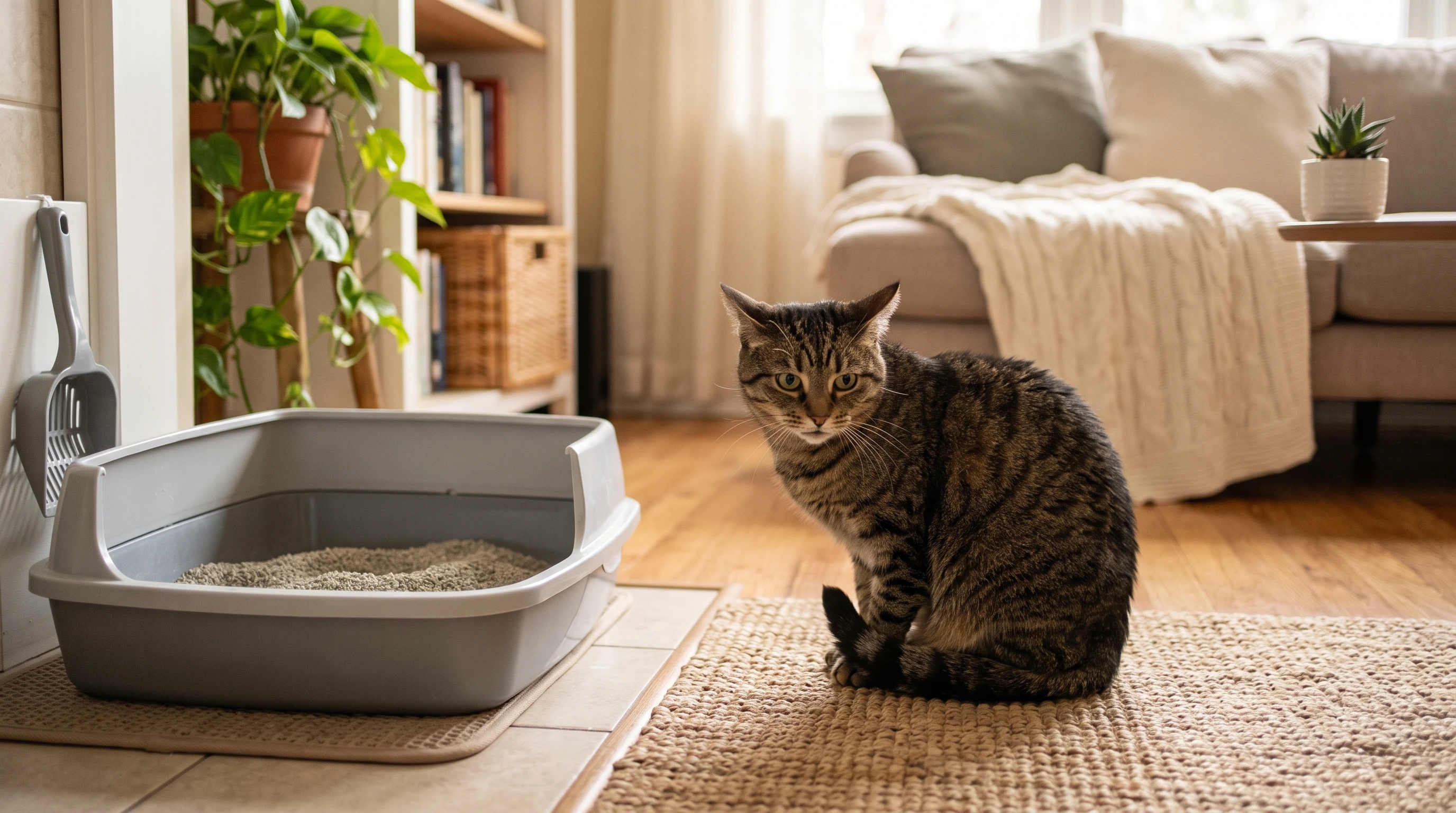
Cats commonly develop urinary tract problems, and they’re not always caused by a bacterial urinary tract infection (UTI). Many urinary tract conditions can produce nearly identical symptoms, whether the cause is an infection, inflammation, urinary stones, or another disorder. [1] That’s why I think it is so important to catch these symptoms early and get the cat checked by a vet instead of guessing the cause. Ignoring signs can lead to painful complications that are much harder to manage later.
What Is a UTI in Cats?
According to MSPCA-Angell, a urinary tract infection (UTI) is a bacterial infection involving the urinary tract, which includes the kidneys, ureters, bladder, and urethra. [2] Together, these organs produce, transport, store, and remove urine from the body. But cats, especially younger or healthy adults, get true bacterial UTIs less often than dogs. [2] In fact, many cats showing urinary issues are dealing with something else: sterile cystitis (bladder inflammation without infection), urinary crystals, bladder stones, or blockages. True UTIs are more common in older cats or cats with underlying disease that increase their risk of infection [2]. Recognizing what actually causes the symptoms is something only a veterinarian can do with proper testing and a full physical examination.
Some pet owners may think frequent peeing or straining is always a UTI, but often it’s inflammation or irritation with no bacteria involved. This is why treatment at home without a diagnosis is risky—different urinary tract diseases need unique approaches. [1,2] Relying on internet advice or leftover antibiotics can mask symptoms, letting problems worsen over time. If your cat begins eliminating in odd places or shows pain, act early and rely on expert guidance. Prompt action makes for happier, healthier cats.
Common Urinary Tract Symptoms in Cats
Cats are good at hiding discomfort. In my experience, spotting subtle changes in litter box habits and overall behavior can help me act quickly. Here are signs to watch for [1]:
- Frequent Trips to the Litter Box
A cat might visit the litter box over and over but produce only a few drops of urine each time. - Small Amounts of Urine
Clumps in the litter box are much smaller than normal and there are more of them. - Repeated Attempts to Urinate
The cat squats, tries to pee, walks away, and then comes right back as if they still need to go. - Straining or Difficulty Urinating
When a cat is straining to pee, they might pause in a hunched posture for a while in the box. This looks a lot like constipation, but the difference is they’re trying to pee, not poop. Some cats even cry out during these attempts. - Blood in the Urine
Sometimes, owners may notice pink, red, or brownish urine in the litter box, but blood isn’t always visible. In some cases, only a small amount of blood is present or it can only be detected through a urinalysis. Staining outside the box or on fur can also be a clue. - Urinating Outside the Litter Box
Cats may pee on tile, rugs, bathtubs, or laundry instead of using their usual spot. This is often because the act of urinating hurts, so the cat tries new places hoping for relief. This isn’t always a behavioral issue. - Excessive Licking of the Genital Area
Repeated and intense licking signals discomfort or irritation in the urinary tract. - Crying or Vocalizing While Urinating
If the cat yowls, cries, or meows while in the box, it is likely they are experiencing pain. - Strong-Smelling or Cloudy Urine
Sometimes the urine smells especially pungent or looks cloudy, although not all cats will have this symptom.
Symptoms That Require Emergency Veterinary Care
Urinary problems in cats need urgent help. If you ever see your cat going to the litter box again and again, straining with little or no urine coming out, call or bring your cat to the vet right away. Inability to urinate can quickly become life-threatening, especially for male cats. [1,3] Immediate action can make the difference between life and death in these cases, and never ignore your gut feeling if your cat seems distressed around the litter box.
- Repeated straining without producing urine is a red flag, and delaying veterinary care can put the cat in serious danger [3].
- Other signs of urinary blockage include being very tired, vomiting, hiding, refusing food, or showing pain when the belly is touched.
Male cats face higher risk because their urethra, the tube from bladder to outside, is much narrower than in females. [1,3] Blockages can develop fast, making it impossible for them to pee. This medical emergency can turn fatal without immediate treatment. [1,3] Pay extra attention to any male cat who shows signs of urinary issues; quick action can save their life.
What Causes UTI-Like Symptoms in Cats?
Not every cat with these signs has a bacterial infection. The symptoms above can be caused by many things and recognizing the real cause is crucial for proper care. The main culprits include [1,3]:
- Bacterial urinary tract infection (UTI); more common in senior cats and those with underlying health conditions
- Bladder inflammation (feline idiopathic cystitis)
- Bladder stones
- Urethral plugs (blockages from minerals, mucus, or debris)
- Stress-related urinary disease (urinary symptoms triggered or worsened by stress, such as changes at home, conflicts with other pets, or disruptions to a cat’s routine).
- Urinary crystals (microscopic mineral crystals that can form in urine) [1,3]
Getting the right diagnosis means the cat receives the right treatment. Treating a blockage or inflammation with antibiotics alone won’t help, which is why a thorough veterinary exam is so important. [1,2] Delaying this can lead to kidney damage or repeated painful episodes for your pet.
Risk Factors That Increase the Chance of Urinary Problems
Some factors raise a cat’s risk for urinary issues. Here are the key factors I watch for in my own cats:
- Low Water Intake
According to Cornell Feline Health Center, hydration refers to having enough water in the body to support normal bodily functions. For cats, proper hydration is essential for regulating body temperature, maintaining electrolyte balance, supporting digestion, keeping joints lubricated, and carrying oxygen and nutrients to tissues throughout the body. Cats who don’t take in enough water generally produce more concentrated urine. Increasing water intake and, when appropriate, feeding moist food can help increase urine volume and may help reduce recurrence of some urinary problems [1,4]. Encouraging daily hydration is really important. (I like to refer readers to my Water Intake Guide for Cats for tips.) - Overweight Cats
Obesity is a risk factor for urinary tract problems in cats. [1] Less activity and lifestyle changes associated with excess weight may contribute to poorer urinary health. If you need ideas, check my guides on How To Help Overweight Cats Exercise and Indoor Games For Overweight Cats. - Stress
Cats react to changes in the household, such as new pets, moving, or even minor disruptions. [1,5] Cats in busy households or multi-cat homes tend to show more urinary issues, especially if their routine keeps getting switched up. Reducing stress and offering a quiet space helps a lot. [1,5] - Older Age
Age matters. Senior cats are more likely to develop urinary tract problems, including bacterial UTIs and bladder stones. They are also more likely to have underlying health conditions that can increase their risk of urinary disease and bacterial infection [2].
How Veterinarians Diagnose Urinary Problems
Diagnosing the problem starts with a physical exam and talking through the cat’s symptoms. Your vet will usually check a urine sample (urinalysis) for blood, white blood cells, crystals, bacteria, or concentrated urine. [1,2] Sometimes, a urine culture will show if bacteria are causing the problem. Imaging, like X-rays or ultrasound, can help spot stones or tumors. [1] For complicated or recurring cases, a vet might also run blood tests to look for kidney issues or other possible systemic issues. On occasion, they may suggest advanced imaging or specialist consultation for suspected serious cases.
What You Should Do If You Notice UTI Symptoms
- Contact Your Veterinarian Promptly
If your cat starts showing symptoms, don’t wait to see if they disappear on their own. Fast action speeds up recovery and prevents worse problems from showing up. Some urinary problems can worsen quickly, especially urinary obstruction, so prompt veterinary attention is important [1,3]. - Monitor Your Cat
Paying attention to eating, drinking, urination habits, and overall behavior helps a cat owner track any changes. Let the vet know of anything unusual so they have the full picture. - Never Give Human Medications
A lot of common human drugs can harm cats, even if they seem like a good idea. Only a veterinarian should prescribe any treatment for your pet to avoid dangerous side effects or toxicity.
Can UTI Symptoms Be Prevented?
There are steps I follow that make it easier to keep my cats healthy:
- Encourage Daily Water Intake
I make sure my cats have access to clean, fresh water at all times. Many do better with a water fountain, and feeding wet food can help boost hydration and produce more dilute urine [1,4]. - Keep the Litter Box Clean
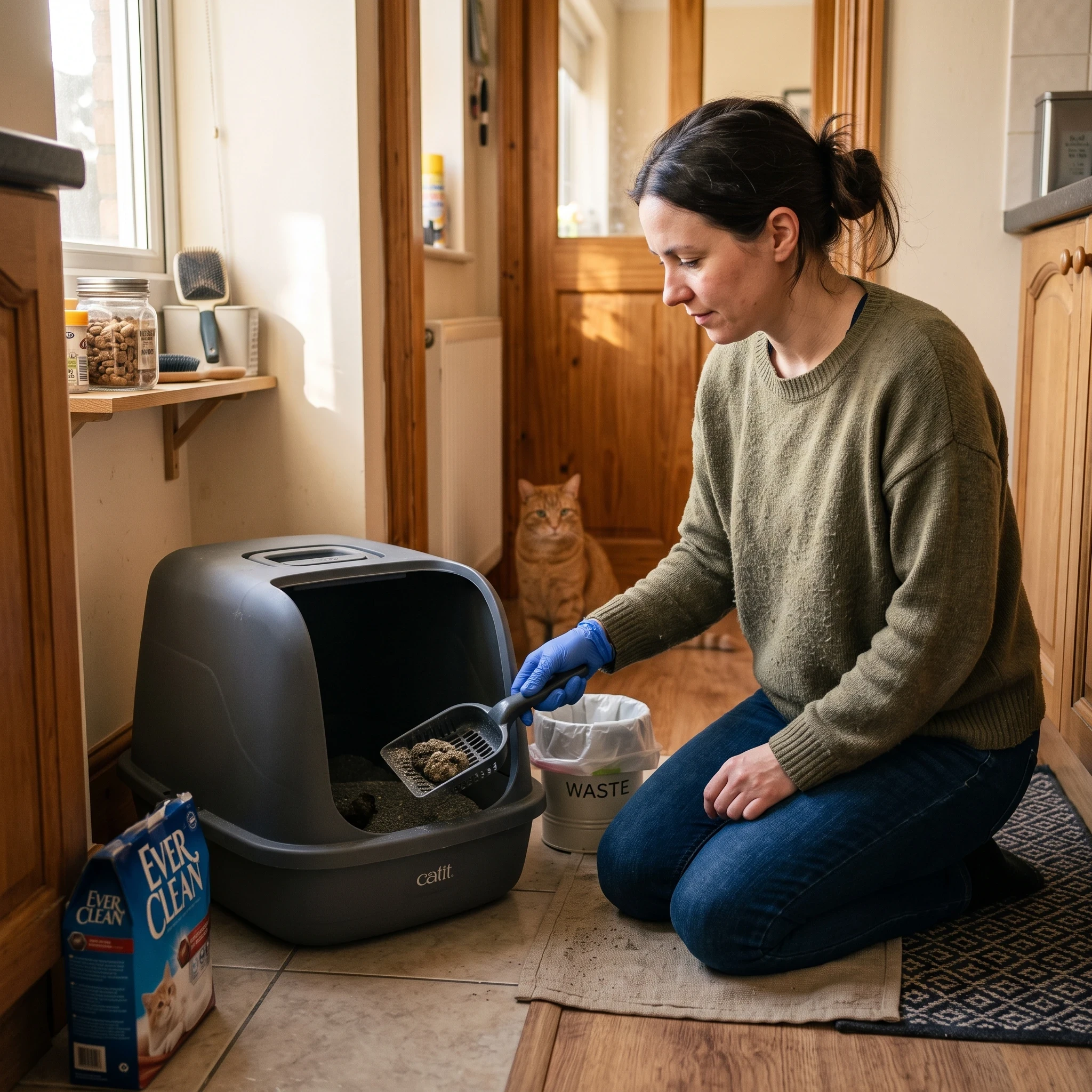
I scoop several times every day, clean boxes thoroughly each week, and keep enough boxes for the number of cats in my home, ideally one box per cat plus one extra [1]. A clean, appealing box encourages regular use and helps prevent accidents or unsanitary conditions. - Reduce Stress
Keeping a predictable routine, providing toys and enrichment, and slowly introducing environmental changes have all helped my cats’ wellbeing and reduced urinary flare-ups. [1,5] - Schedule Routine Veterinary Checkups
Regular vet visits mean any change gets noticed early and addressed right away, helping keep troublesome issues at bay.
Frequently Asked Questions
Can cats get UTIs without blood in the urine?
Yes. Some cats with urinary tract infections or urinary issues may never show visible blood. [2] Sometimes it’s only found during a urinalysis at the vet. So, don’t ignore other symptoms just because you don’t see blood.
How can I tell if my cat has a UTI or is just peeing more often?
Frequent urination can have many causes, including urinary tract problems and medical conditions that increase urine production. If your cat is straining to urinate, producing only small amounts of urine, vocalizing in pain, has blood in the urine, or is urinating outside the litter box, a urinary tract problem is more likely. Because many conditions can cause similar signs, only a veterinarian can determine the underlying cause through an examination and diagnostic testing. [1,2]
Can indoor cats develop urinary tract problems?
Yes. Indoor cats can still develop urinary tract problems, especially if they’re overweight, don’t drink enough water, experience stress, or have underlying health conditions. [1]
How long can a cat have UTI symptoms before seeing a vet?
Please call or visit a vet as soon as you notice symptoms. Some urinary problems can worsen quickly without care, particularly urinary obstruction [1,3].
Are male or female cats more likely to get UTIs?
Male cats are at increased risk of urethral obstruction because their urethra is longer and narrower. Female cats may be more likely to develop bacterial urinary tract infections, but both sexes can experience other urinary problems, such as inflammation and stones [1,2,3].
Key Takeaways
- Monitoring for changes in litter box habits, blood in urine, vocalizing in the litter box, or accidents outside the box helps to ensure early intervention. [1]
- Difficulty or inability to urinate is very serious and needs emergency vet care to avoid severe and even fatal complications. [1,3]
- Many urinary issues in cats have the same symptoms, so testing and diagnosis are key for proper treatment and peace of mind. [1,2]
- Helping your cat drink more water supports urinary health. [1,4]
Final Thoughts
Recognizing the signs of urinary problems early can help your cat receive care before the condition becomes more serious. [1,3] Frequent trips to the litter box, straining to urinate, blood in the urine, excessive licking, or urinating outside the litter box should never be ignored. While these symptoms may be caused by a urinary tract infection, they can also occur with other conditions such as bladder inflammation, urinary crystals, or blockages. [1,3] Because many urinary problems look similar, a veterinary examination is the best way to determine the underlying cause. You can also support your cat’s urinary health by encouraging good hydration, maintaining a healthy weight, reducing stress, and scheduling regular veterinary checkups.
References:
[1] Current primary guideline
Taylor, S., Boysen, S., Buffington, T., Chalhoub, S., Defauw, P., Delgado, M. M., Gunn-Moore, D., & Korman, R. (2025). 2025 iCatCare consensus guidelines on the diagnosis and management of lower urinary tract diseases in cats. Journal of Feline Medicine and Surgery.
[2] Bacterial UTI guideline
Weese, J. S., Blondeau, J., Boothe, D., Guardabassi, L. G., Gumley, N., Papich, M., Jessen, L. R., Lappin, M., Rankin, S., Westropp, J. L., & Sykes, J. (2019). International Society for Companion Animal Infectious Diseases (ISCAID) guidelines for the diagnosis and management of bacterial urinary tract infections in dogs and cats. The Veterinary Journal, 247, 8–25. https://doi.org/10.1016/j.tvjl.2019.02.008
[3] Urethral obstruction
Merck Veterinary Manual. (2025). Urethral obstruction in small animals.
[4] Hydration/moist food and FIC
Naarden, B., et al. (2020). The effect of a therapeutic urinary stress diet on the short-term recurrence of feline idiopathic cystitis. Veterinary Medicine and Science.
[5] Feline lower urinary tract disease and environmental stress
American Animal Hospital Association & American Association of Feline Practitioners. (2021). Feline Life Stage Guidelines: Lower Urinary Tract Disease.
[6] Owner-friendly FLUTD overview
Cornell University College of Veterinary Medicine, Cornell Feline Health Center. (2016, updated information available online). Feline Lower Urinary Tract Disease.