
Omega-3 fatty acids are often mentioned when talking about optimal nutrition for cats. These healthy fats, found mainly in marine sources, offer a range of possible benefits for feline health. The two most important marine omega-3s for cats are EPA (eicosapentaenoic acid) and DHA (docosahexaenoic acid). These can help with certain health conditions, but not every cat needs extra omega-3 supplementation especially if they are already eating a complete and balanced diet.
The choice between feeding a complete diet with built-in omega-3 or giving an extra supplement sometimes causes confusion. I find that understanding the basics of omega-3s can make it easier to figure out what makes sense for your cat.
🐾 Purr-lease Note: FelineGo is an Amazon Associate, which means we may earn a small commission from qualifying purchases made through some of the Amazon links on this site. This comes at no extra cost to you and helps support FelineGo and our mission to create helpful content for cat parents. Thank you for supporting our little corner of the cat world! 🐱💕
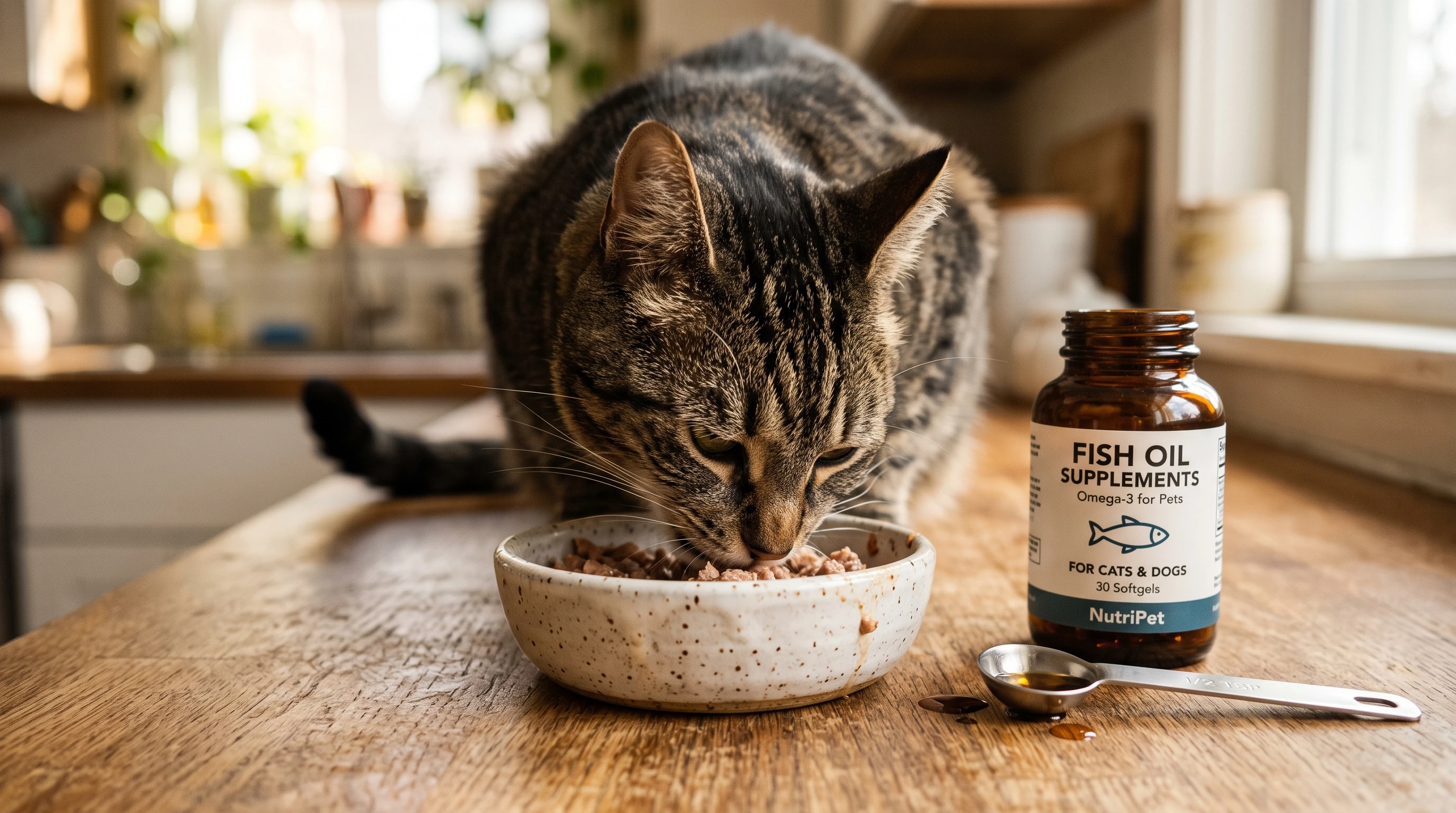
What Are Omega-3 Fatty Acids?
Omega-3 fatty acids are a type of polyunsaturated fat. I think of them as important nutrients for both people and animals, including cats. Some fatty acids are essential because the body can’t make enough of them on its own, so they need to come from food [1].
The three main types of omega-3s you’ll hear about are ALA (alpha-linolenic acid), EPA, and DHA.
- ALA (alpha-linolenic acid): Mostly found in plant oils, like flaxseed. Cats don’t use this form efficiently.
- EPA (eicosapentaenoic acid): Found in fish and marine oils. Has anti-inflammatory properties.
- DHA (docosahexaenoic acid): Also mainly from marine sources. Really important for brain and eye development. [1,2]
Omega-3s are important because they help support many body systems, including skin, joints, eyes, and brain. In cats, EPA and DHA are considered the most useful forms. [1]
EPA vs. DHA: What’s the Difference?
EPA and DHA often show up together in discussions about kitty nutrition. EPA is best known for helping manage inflammation in the body, which is why it gets lots of attention for joint and skin health. DHA is super important during growth, especially for kittens’ brains and eyes.
When checking out cat supplements, I always look for how much EPA plus DHA the product delivers, not just the total fish oil amount on the front label. Knowing the actual EPA and DHA content gives a better idea of what your cat’s really getting.
What Are the Benefits of Omega-3 for Cats?
Omega-3s can be part of a healthy diet for cats. Some of the possible benefits include:
May Support Joint Health
EPA and DHA have anti-inflammatory effects. This can be helpful when a cat has arthritis or other joint problems. Some diets and supplements with omega-3s are used as part of a nutrition plan to help cats with joint stiffness and discomfort. Many older cats seem to move with less stiffness after a veterinarian suggested trying an omega-3 supplement.
While research on omega-3 supplementation for cats with osteoarthritis is limited, a systematic review and meta-analysis found evidence supporting the use of omega-3 supplements and omega-3-enriched diets in cats with osteoarthritis. [4]
May Support Skin and Coat Health
Omega-3s may help support healthy skin function. Because of their anti-inflammatory nature, these fatty acids might reduce some types of redness, itchiness, or flaky skin in cats. Coat quality can also improve when a cat’s getting the right balance of nutrients. I’ve noticed my own cat has a shinier, softer coat after getting a diet with adequate omega-3s.
It’s really important to mention that not every skin problem, itchy spot, or hair loss patch will be solved with omega-3s. If a cat starts having new skin or coat issues, it’s always best to check with the veterinarian for the underlying cause first.
May Help Manage Inflammation
EPA and DHA play a role in how the body responds to inflammation. Some studies and reviews have suggested potential benefits for managing certain inflammatory processes in cats, but the research isn’t as deep as it is in dogs or people.
In cats, a review found evidence of a therapeutic benefit from omega-3 fatty acid supplementation for osteoarthritis. The authors also reported potential benefits for cats with allergic dermatitis, although they noted that higher-quality studies are needed to strengthen the evidence. [5]
May Support Brain and Eye Development in Kittens
DHA is especially important for growing kittens. It helps with the development of the nervous system, including the brain and the eyes. DHA is especially important during early development of the nervous system, including the brain and eyes. Studies in developing cats have shown that dietary DHA contributes to normal retinal and brain development [6]. Adult cats don’t need as much DHA as kittens do, so this benefit is focused mainly on the early stages of life.
May Support Overall Nutritional Health
Omega-3s are a recognized part of a balanced diet. [1] Getting the appropriate amount is important for meeting nutritional needs, but this doesn’t mean “more is always better.” The best approach is providing a complete and balanced food that covers the basics and working with a vet if you’re thinking about supplements.
Research is also exploring whether omega-3 fatty acids may help support cognitive health as cats age, although more feline-specific studies are needed to determine their potential benefits. [7]. Though these areas need more scientific backing, they add to the growing interest in omega-3s as part of an advanced nutritional plan for felines.
Do Cats Need Omega-3 Supplements?
Most healthy cats eating a high-quality, complete, and balanced diet are probably already getting some omega-3s. [1] In some situations, like arthritis, chronic skin conditions, or under a vet’s advice, a supplement could be helpful. [4,5]
I always recommend not adding a supplement just because it seems like a healthy thing to do. Checking with your veterinarian first is really important. Factors like the current diet, age, health status, and any ongoing medications or treatments all play a role.
The World Small Animal Veterinary Association (WSAVA) emphasizes considering a cat’s overall diet and nutritional needs when evaluating their nutrition. [1]
If a supplement is recommended, pick a brand that lists the amount of EPA and DHA on the label, since those numbers are more useful than just the total amount of fish oil.
What Is the Best Source of Omega-3 for Cats?
Fish Oil
The most common source of EPA and DHA for cats is fish oil. This can come as a liquid or capsule. The part to pay attention to is how much EPA and DHA is in each serving. The total amount of fish oil isn’t as useful without knowing the EPA and DHA content.
Fish-Based Cat Food
Some commercial cat foods use fish ingredients or added fish oil as part of the recipe. These diets may already contain EPA and DHA, depending on their formulation [1]. I like to check the ingredient list and the nutritional information to see if EPA and DHA are mentioned.
Algal Oil
Certain algal oils are a vegetarian source of DHA and sometimes EPA. These may be an alternative for cats who can’t tolerate fish or for people who prefer plant-based sources, but the specific product’s fatty-acid profile matters [1].
What About Flaxseed and Other Plant Sources?
Flaxseed and similar plant oils mainly provide ALA, which cats have limited ability to convert into EPA or DHA. [1] This means that, while flaxseed oil has some nutritional value, it isn’t typically a great way to provide the marine-based omega-3s that are most beneficial for cats.
How to Choose an Omega-3 Supplement for Cats
Check the EPA and DHA Amount
This is the number one thing to check when picking a supplement. Products that tell you the specific amounts of EPA and DHA give a clearer picture of what your cat is getting.
Look at the Ingredients
Lean more into products with clear, straightforward ingredient lists and avoid unnecessary additives when possible. A clear list also helps with detecting any potential allergens.
Consider the Form
- Liquid: Often the easiest to mix into food, but can get messy.
- Capsule or softgel: Can be given hidden in a treat or opened and squeezed onto food.
- Powder: Sometimes available, can work for picky eaters.
Check Storage and Freshness
Omega-3 oils can go bad if not stored properly. Please make sure to follow the manufacturer’s recommendations; often these need refrigeration after opening and should be used within a certain time frame. If the oil smells foul, it’s probably gone off.
Look for Appropriate Quality Controls
It’s helpful to choose brands that are transparent about their sourcing and quality controls. Look for products with appropriate third-party testing or quality certification, such as the NASC Quality Seal [3]. Not all supplements are created equal, so doing a little research here really helps.
In addition, customer reviews can provide information about palatability and ease of use, but they shouldn’t replace checking the product’s labeling, quality controls, and veterinary guidance. Transparent companies that show lab analysis or independent verification offer extra peace of mind for your cat’s health. Carefully reading product packaging and consulting with your vet ensures you’re making a safe choice.
#ad
If you’re thinking about adding an omega-3 supplement to your cat’s routine, there are a few options worth checking out. I’d personally look for one that clearly shows the EPA and DHA amounts on the label and carries the NASC Quality Seal. Nordic Naturals Omega-3 Cat, Zesty Paws Wild Alaskan Omega-3 Blend, and Grizzly Salmon Plus are three options to consider if you want to compare them and see which one fits your cat—and your budget—best.
How Much Omega-3 Should Cats Get?
The right amount of omega-3 for a cat isn’t one-size-fits-all. The needs depend on their current diet, health status, and what the supplement contains. Because getting the dosage right can be tricky, I always suggest going by the advice of a veterinarian. They can help make sure your cat gets the benefits without going overboard.
Most veterinarians base their recommendations on the specific health goal and your cat’s size. Too much supplementation can cause gastrointestinal upset and may introduce other risks, so individualized advice is important. Even seemingly minor supplements should be handled with the same care as any medication.
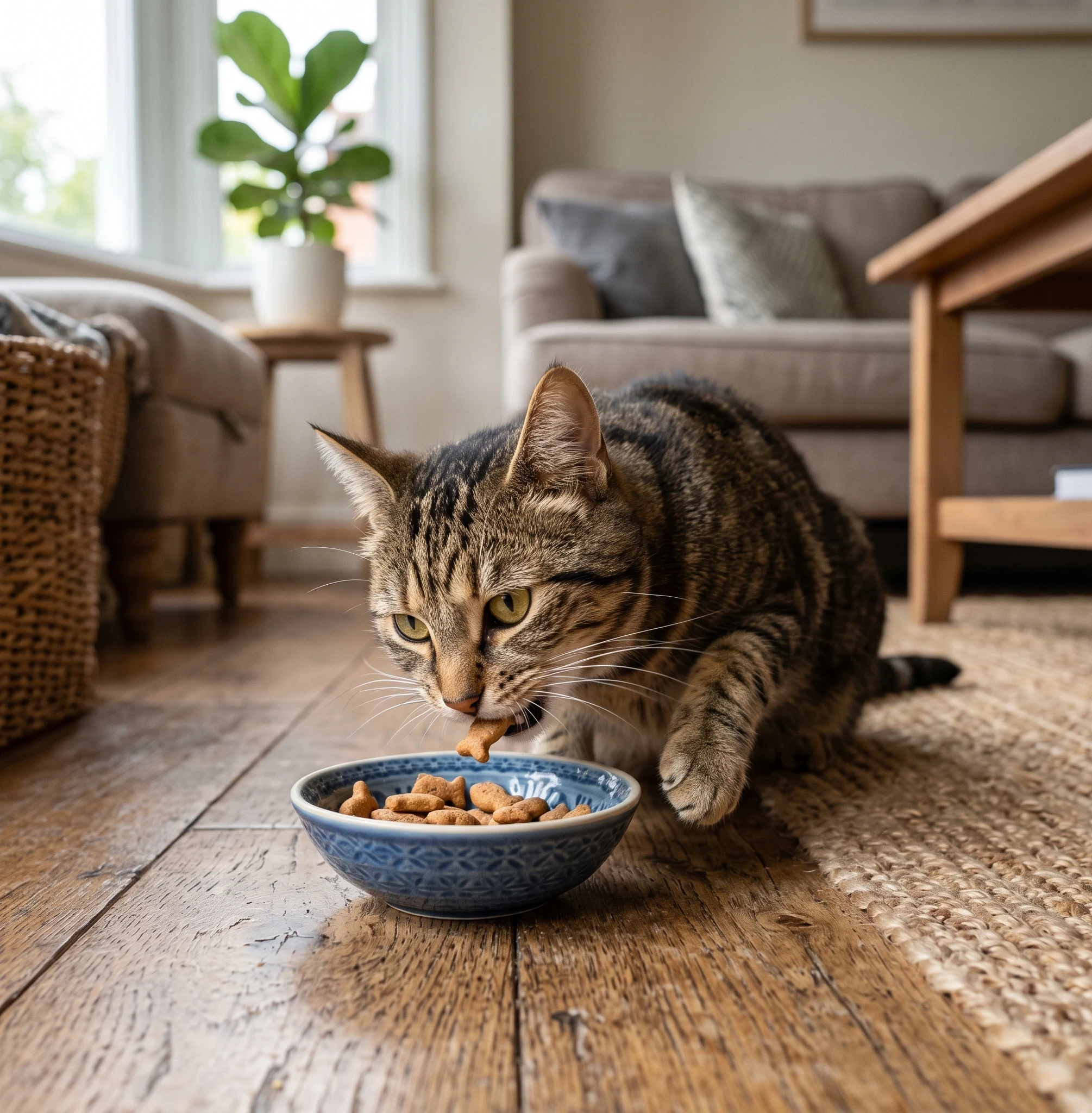
Frequently Asked Questions
Is omega-3 good for cats?
Yes, omega-3 fatty acids are important components of feline nutrition [1]. They support many aspects of health, including skin, joints, and the nervous system.
What are the benefits of omega-3 for cats?
The main benefits include supporting joint health, skin and coat condition, reducing some types of inflammation, and helping with brain and eye development in kittens. [4,5,6]
Can I give my cat fish oil?
Fish oil can be given to cats, but it should be in the right dose and form. Check with your vet to see if it’s needed and to get a recommendation on brand and amount.
Is fish oil safe for cats?
Fish oil is generally safe when given at the correct amount and stored properly. Too much or poor quality oil can cause problems like stomach upset, so quality and correct dosing matter.
Does omega-3 help cats’ skin and coat?
Omega-3s can help support a healthy skin barrier and improve coat shine. For cats with certain skin issues, omega-3s might help, but it’s still important to check with a veterinarian for an accurate diagnosis.[5]
Does omega-3 help cats’ joints?
Yes, omega-3s, especially EPA and DHA, can help with joint comfort and mobility, mostly through their anti-inflammatory effects. They are often part of a treatment plan for arthritis in cats. [4]
Do indoor cats need omega-3 supplements?
Indoor cats generally do not need an omega-3 supplement if they are eating a high-quality diet. Most complete and balanced commercial cat foods already provide the nutrients cats need, and a supplement may be appropriate only when there is a specific dietary or medical reason [1].
Omega-3 fatty acids can play a helpful role in staying ahead of certain health problems for cats. Many owners have seen these nutrients make a difference, especially for cats with specific needs. The keys to getting the benefits without any downsides are using the right source, the correct amount, and always checking with a veterinarian first. Taking this approach means your cat can get the best from their diet, and you can feel confident about their health.
References
[1] National Research Council. (2006). Nutrient Requirements of Dogs and Cats. Washington, DC: The National Academies Press.
[2] World Small Animal Veterinary Association (WSAVA). Global Nutrition Guidelines and Nutrition Toolkit.
[3] National Animal Supplement Council (NASC). NASC Quality Seal.
[4] Barbeau-Grégoire, M., et al. (2022). A 2022 systematic review and meta-analysis of enriched therapeutic diets and nutraceuticals in canine and feline osteoarthritis. International Journal of Molecular Sciences, 23.
[5] Magalhães, T. R., et al. (2021). Therapeutic effect of EPA/DHA supplementation in neoplastic and non-neoplastic companion animal diseases: A systematic review. In Vivo, 35(3), 1419–1436.
[6] Pawlosky, R. J., et al. Study of retinal and brain accretion of long-chain polyunsaturated fatty acids in developing felines and the effects of dietary DHA.
[7] Vendramini, T. H. A., et al. (2025). Exploring the efficacy and optimal dosages of omega-3 supplementation for companion animals. Nutrition Research Reviews.