
Spaying cats early helps control the population and brings health and behavioral benefits. Deciding when to spay your cat can prompt a lot of questions. New cat owners might wonder if early spaying is a good choice or if waiting makes sense. Drawing from my own first-hand experience as a cat owner and advice from veterinary professionals, I’ll explain the proven benefits, best timing, and potential risks of early spaying in cats. This gives anyone a clear understanding to make a responsible choice for their pet.
What Early Spaying Means for Cats
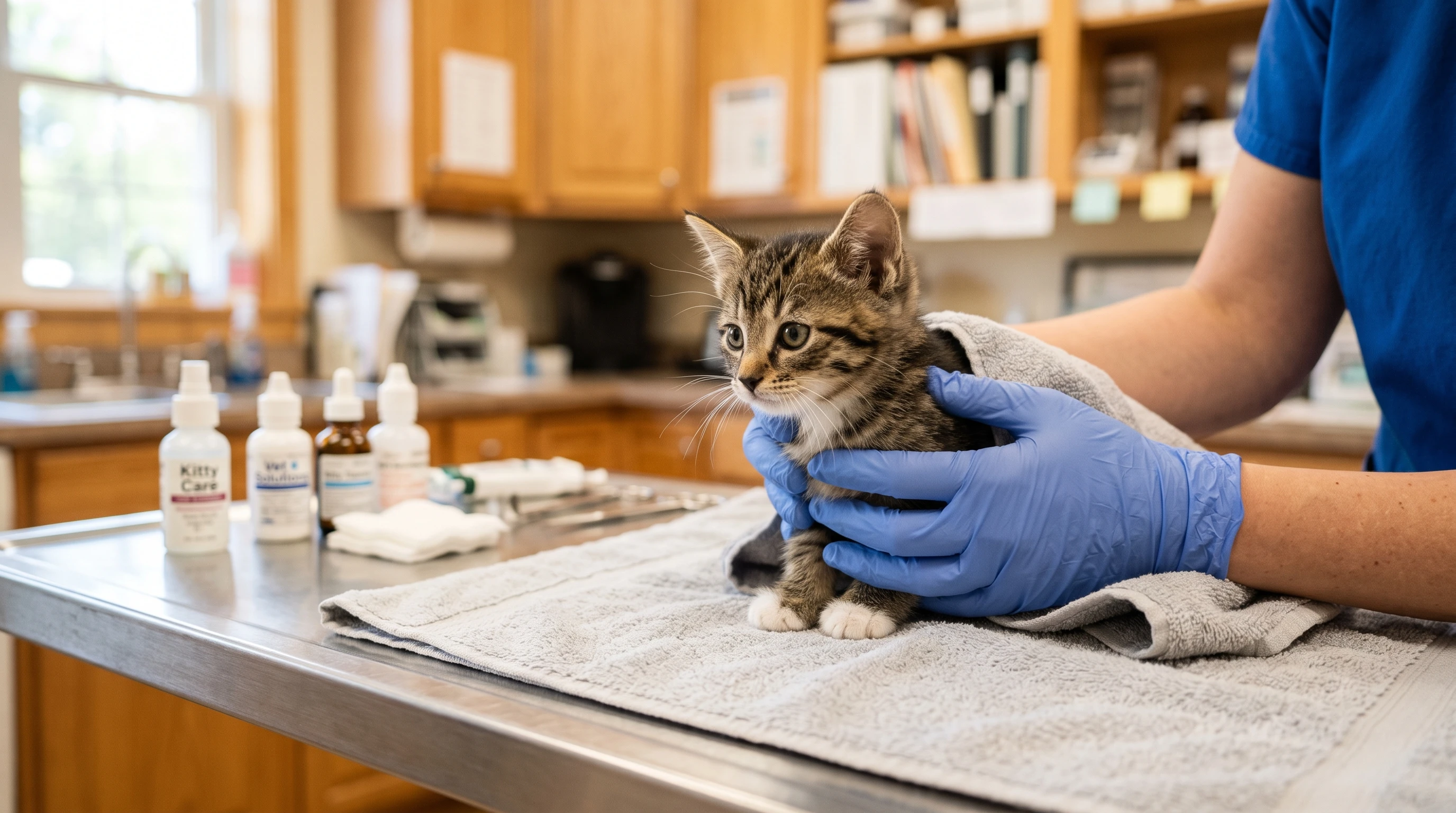
Spaying, also called an ovariohysterectomy, is when a veterinarian removes a female cat’s ovaries and uterus. Early spaying typically refers to performing this surgery before a cat reaches sexual maturity. Pediatric or early-age spaying may be performed in kittens as young as eight weeks in appropriate circumstances, particularly in shelters, while the American Association of Feline Practitioners (AAFP) supports spaying cats by five months of age. Veterinarians should consider each kitten’s health, size, and individual circumstances when deciding the safest timing. [1]
Many animal shelters and rescues use pediatric spaying because kittens can undergo the procedure before adoption, helping prevent accidental litters. Early-age spaying has also been studied extensively in shelter cats, with research finding no significant increase in short- or long-term health problems compared with cats spayed at the traditional age. [2]
Choosing this time frame works well in high volume shelters, but it also brings peace of mind to owners who want to avoid unwanted pregnancies. Most kittens spayed early bounced back with minimal discomfort and quickly returned to being playful. Early spaying across shelters has become a popular choice due to its practical benefits.
Why Timing Matters: Early vs Late Spaying
The debate around early versus late spaying can be confusing. Traditionally, veterinarians suggested waiting until a cat was about six months old. Today, the AAFP supports spaying cats by five months because some cats can become reproductively active as early as four to five months, even before obvious signs of sexual maturity appear. [1]
Spaying before the first heat can substantially reduce the risk of mammary tumors, while removing the ovaries and uterus eliminates the risk of pyometra. It also prevents unwanted litters and eliminates heat cycles and the mating-related behaviors associated with them. [3][4]
With my own cats, kittens spayed at three months adapted to indoor life without ever developing heat-related behaviors, which made for a much more peaceful home environment.
Health Benefits of Early Spaying
- Lower Cancer Risk: Female cats spayed before their first heat cycle have a much lower risk of developing mammary tumors, which are often malignant and aggressive in cats. Cats spayed before six months of age have been reported to have about a 91% lower risk of developing mammary tumors. [3]
- Prevents Pyometra: Spaying removes the uterus and therefore eliminates the risk of pyometra, a potentially life-threatening uterine infection that can require emergency treatment. [4]
- No Unwanted Litters: Accidental litters add to the pet overpopulation challenge. Spaying early prevents young cats from becoming pregnant and is especially important in communities managing stray and feral cat populations. [1][4]
According to the American Veterinary Medical Association (AVMA), spaying and neutering help prevent unwanted litters and can provide important health and behavioural benefits for pets. [4]
Preventing unplanned litters also helps reduce the number of animals entering shelters, easing pressure on animal welfare organizations.
Behavioral and Social Improvements
Spaying female cats eliminates heat cycles and the mating-related behaviors associated with them. During heat, female cats may become more vocal, rub against people or objects, and attempt to escape in search of a mate. This can be stressful for both cats and owners. Spaying prevents these heat-related behaviors from developing. [4] Early-spayed kittens generally don’t develop these habits, making them easier to socialize and manage as they grow up.
I noticed kittens spayed younger tend to bond closely with their owners and don’t show the restlessness or anxiety some older, unspayed cats can display. In multi-cat homes, this makes introductions and ongoing harmony much smoother. Owners can also avoid challenges like territorial spraying and aggression, leading to a calmer household. However, every cat is different, and spaying should not be viewed as a guarantee that a cat will be more affectionate, less anxious, or easier to socialize.
When Is the Earliest Age to Spay a Cat?
Some shelters and veterinary programs perform pediatric spaying in healthy kittens as young as eight weeks of age. However, there is no single minimum age or weight that is appropriate for every kitten. The veterinarian should assess the kitten’s health, size, and ability to safely undergo anesthesia and surgery. [1][2]
Although early-age spaying is widely accepted and commonly practiced in shelters, some veterinary organizations recommend waiting a little longer. The American Association of Feline Practitioners (AAFP), for example, supports spaying and neutering cats by 5 months of age, while noting that veterinarians should use their professional judgment based on each cat’s health and individual circumstances.[1]
Spaying at an early age can often be coordinated with a kitten’s vaccination schedule, making it convenient for pet owners and shelters. Pediatric spay procedures use surgical and anaesthetic techniques tailored to a kitten’s age and size. Research in shelter kittens has found no significant increase in short- or long-term health problems when gonadectomy was performed at approximately 8–12 weeks compared with surgery at six to eight months. [2]
When performed by an experienced veterinarian, healthy kittens generally recover quickly after the procedure.
When to Avoid Spaying a Cat
While early spaying is safe and effective for most kittens, there are times when it may need to be delayed. If a kitten is sick, underweight, or recovering from another illness, a veterinarian might suggest waiting until she is stronger. Pregnant cats can still be spayed, but the vet will explain the procedure and any considerations. Nursing cats may also require individualized timing depending on their health, milk production, and the age and needs of their kittens.
Always ask your veterinarian about your individual cat’s situation, especially if she has health issues or is on medications. Each cat’s health background can affect the safest timing for surgery.
What Are the Risks of Early Spaying?
Research generally supports early-age spaying as a safe option for appropriately selected kittens when performed by experienced veterinary teams. Studies comparing early and traditional-age gonadectomy have not found significant increases in major short- or long-term health problems. [2][5]
Some considerations include:
- Greater risk of hypothermia: Very young kittens are smaller and can lose body heat easily while under anesthesia. Veterinary teams take precautions to maintain body temperature and closely monitor kittens during surgery.
- Potential urinary tract issues: Earlier neutering has historically been questioned as a possible risk factor for urinary problems, particularly urinary obstruction in male cats. However, research has not established that prepubertal neutering causes earlier urinary obstruction. [6] This concern should therefore not be presented as an established consequence of early spaying in female cats.
- Growth and development: Early gonadectomy can delay closure of some growth plates, meaning some cats may grow slightly longer or taller. Studies have not demonstrated that this difference by itself results in a clear negative effect on normal physical development. [7][8]
In my experience, most kittens have recovered quickly after spaying. If you’re concerned, discussing the procedure with your veterinarian can provide reassurance and address any specific risks for your kitten.
Does Spaying Affect Lifespan?
Spayed cats may live longer on average than unspayed cats. Spaying eliminates the possibility of pyometra and reduces the risk of mammary tumors, while also eliminating heat cycles and preventing pregnancy. The AVMA notes that studies have repeatedly found that spayed and neutered dogs and cats live longer on average, although individual lifespan depends on many factors. [4]
My own rescued cats—vaccinated, spayed, and cared for indoors—have all been thriving. Their wellbeing and longevity illustrate the benefits I have personally seen from responsible veterinary care and spaying.

Real-World Tips for Spaying Your Cat
- Work With Your Vet: Always book a checkup before scheduling any surgery if unsure of your cat’s condition. This lets the vet check for health issues and say clearly what to expect before and after the procedure.
- Follow Preop and Postop Instructions: If your kitten will be spayed, the veterinary team might advise keeping her off food the night before. After surgery, I usually keep kittens snug and quiet, helping them recover comfortably for several days. A cozy, quiet area helps ensure a smooth recovery; avoid active play or rough handling during this time.
- Monitor Recovery: Most young cats bounce back in days, but keep an eye on the incision for redness, swelling, or discharge. My playful cats usually needed only a few days of calm before they began pouncing and zooming again. If symptoms like fever or lack of appetite appear, ask your vet right away.
Providing food according to your veterinarian’s postoperative instructions can help your kitten return to her normal eating routine after surgery. Using a recovery collar (cone) or suit when necessary stops them from licking the incision, which is important for proper healing.
Frequently Asked Questions About Early Spaying
Is it better to spay a cat early or late?
The AAFP supports spaying cats by five months because cats can become reproductively active as early as four to five months. Spaying before the first heat also provides a substantial reduction in mammary tumor risk and prevents unwanted pregnancies. The exact timing should be determined by a veterinarian based on the individual kitten’s health and circumstances. [1][3]
What is the earliest age to spay a cat?
Some veterinary programs and shelters perform pediatric spaying in healthy kittens as young as eight weeks. However, there is no universal minimum age or weight that applies to every kitten. A veterinarian should determine whether an individual kitten is healthy and suitable for surgery. [1][2]
When should you not spay a cat?
If a cat is sick, underweight, or has a medical condition that could increase surgical or anesthetic risk, your veterinarian may recommend delaying the procedure until the cat is healthier. The timing should be individualized rather than based on age alone. [1] Very young, undersized, or immunocompromised kittens might also need to delay surgery.
What are the risks of early spaying?
As with any surgery, spaying carries potential surgical and anesthetic risks. Very young kittens also require careful monitoring of body temperature during anesthesia. However, studies of early-age gonadectomy have not found significant increases in major short- or long-term health problems when compared with traditional-age surgery. [2][5] With proper veterinary care, risks are minimal and rare.
Does spaying affect lifespan?
Spaying usually helps cats live longer by eliminating the possibility for certain life-threatening conditions and avoiding behavioral dangers like escaping or fighting while in heat. Spayed cats are also less likely to contract diseases spread by mating or fighting. However, lifespan is influenced by many aspects of a cat’s overall health and care. [3][4]
Wrapping Up the Benefits of Early Spaying
Trusted animal organizations and my own experience point to clear advantages of early spaying in cats. Healthier lives, fewer cats in shelters, and friendlier behavior make this approach well worth considering. Always check with a qualified veterinarian for guidance tailored to your pet’s needs and trust their expertise for a safe and rewarding spay experience for your feline companion.
References
1. American Association of Feline Practitioners. Pediatric Sterilization in Cats: Position Statement. 2020. “https://catvets.com/resource/pediatric-sterilization-position-statement-pediatric-sterilization-in-cats-position-statement/”
2. Porters N, Polis I, Moons CPH, et al. Relationship between age at gonadectomy and health problems in kittens adopted from shelters. Veterinary Record. 2015;176(18):465. doi:10.1136/vr.102678.
3. Merck Veterinary Manual. Mammary Tumors in Cats. Merck & Co., Inc. “https://www.merckvetmanual.com/reproductive-system/mammary-tumors-in-cats/mammary-tumors-in-cats”
4. American Veterinary Medical Association. Spaying & Neutering. 2022. “https://ebusiness.avma.org/files/productdownloads/mcm-client-brochures-spay-neuter-2022.pdf”
5. Howe LM, Slater MR, Boothe HW, et al. Long-term outcome of gonadectomy performed at an early age or at a traditional age in cats. Journal of the American Veterinary Medical Association. 2000;217(11):1661–1665. doi:10.2460/javma.2000.217.1661.
6. de Oliveira Sampaio K, da Silva-Junior VA, de Sousa-Filho RP, et al. Neutering is not associated with early-onset urethral obstruction in cats. Journal of Feline Medicine and Surgery. 2022;24(12)–e617. doi:10.1177/1098612X221128781.
7. Root MV, Johnston SD, Olson PN. The effect of prepuberal and postpuberal gonadectomy on radial physeal closure in male and female domestic cats. Veterinary Radiology & Ultrasound. 1997;38(1):42–47. doi:10.1111/j.1740-8261.1997.tb01601.x.
8. Stubbs WP, Bloomberg MS, Scruggs SL, Shille VM, Lane TJ. Effects of prepubertal gonadectomy on physical and behavioral development in cats. Journal of the American Veterinary Medical Association. 1996;209(11):1864–1871.