
Cats and hairballs seem to go hand in hand, but there’s a lot more to these messy surprises than most people realize. I often meet cat owners who think hairballs are just an unavoidable part of living with a feline friend, but understanding what they are—along with how to prevent them naturally—can make life easier for both you and your cat.
What Are Hairballs, Really?
Cats are known for grooming themselves often, and during this process, they swallow a lot of loose fur. Most of that hair safely passes through their digestive system and goes out in the litter box. Sometimes, however, hair accumulates in the stomach and becomes compacted into a hairball, also called a trichobezoar. Many cats will vomit to expel the hairball. [1][2]
I often hear people say hairballs are totally normal in cats, but having them all the time isn’t something to simply ignore. Occasional hairballs can occur in otherwise healthy cats, but repeated vomiting of hairballs may be associated with excessive grooming, skin disease, gastrointestinal problems, or other underlying conditions. [1][2]
Which Cats Are Most Likely To Get Hairballs?
Not every cat develops hairballs the same rate. According to Cornell Feline Health Center, kittens and younger cats are less likely to get hairballs as they spend less time grooming compared to adult or older cats, while long-haired breeds are at greater risk. Hairballs also tend to occur more often during periods of heavier seasonal shedding. [1]. In my experience, several types of cats seem more prone to these:
- Long-haired breeds like Maine Coons or Persians swallow more hair with each grooming session.
- Cats that shed a lot, especially during changes in season, often ingest more fur.
- Cats that groom excessively because of stress, pain, allergies, parasites, or other skin problems may swallow more hair. [1][3]
- Cats with itchy skin from allergies or parasites (like fleas) might overgroom and get more hairballs.[3]
- Cats with gastrointestinal problems may have difficulty moving swallowed hair through the digestive tract. [2]
- Multi-cat households can have mutual grooming, which means more shed hair being swallowed.
Why Preventing Hairballs Matters
It might seem easier to just help your cat cough up the occasional hairball, but I’ve found prevention is a much better option. Why?
- Less vomiting means less cleaning up and less stress for both you and your cat.
- Hairballs can sometimes contribute to constipation or gastrointestinal irritation.
- In rare cases, a hairball can become large enough to obstruct the digestive tract, which can be serious and may require veterinary treatment. [1][2]
- Repeated vomiting can contribute to dehydration and may also indicate an underlying illness that needs attention. [4]
Overall, stopping hairballs before they start supports a healthier, happier cat.
Natural Ways To Reduce Cat Hairballs
I focus on natural strategies at home to cut down hairball problems. Here are some effective options I’ve used and recommend:
Regular Brushing
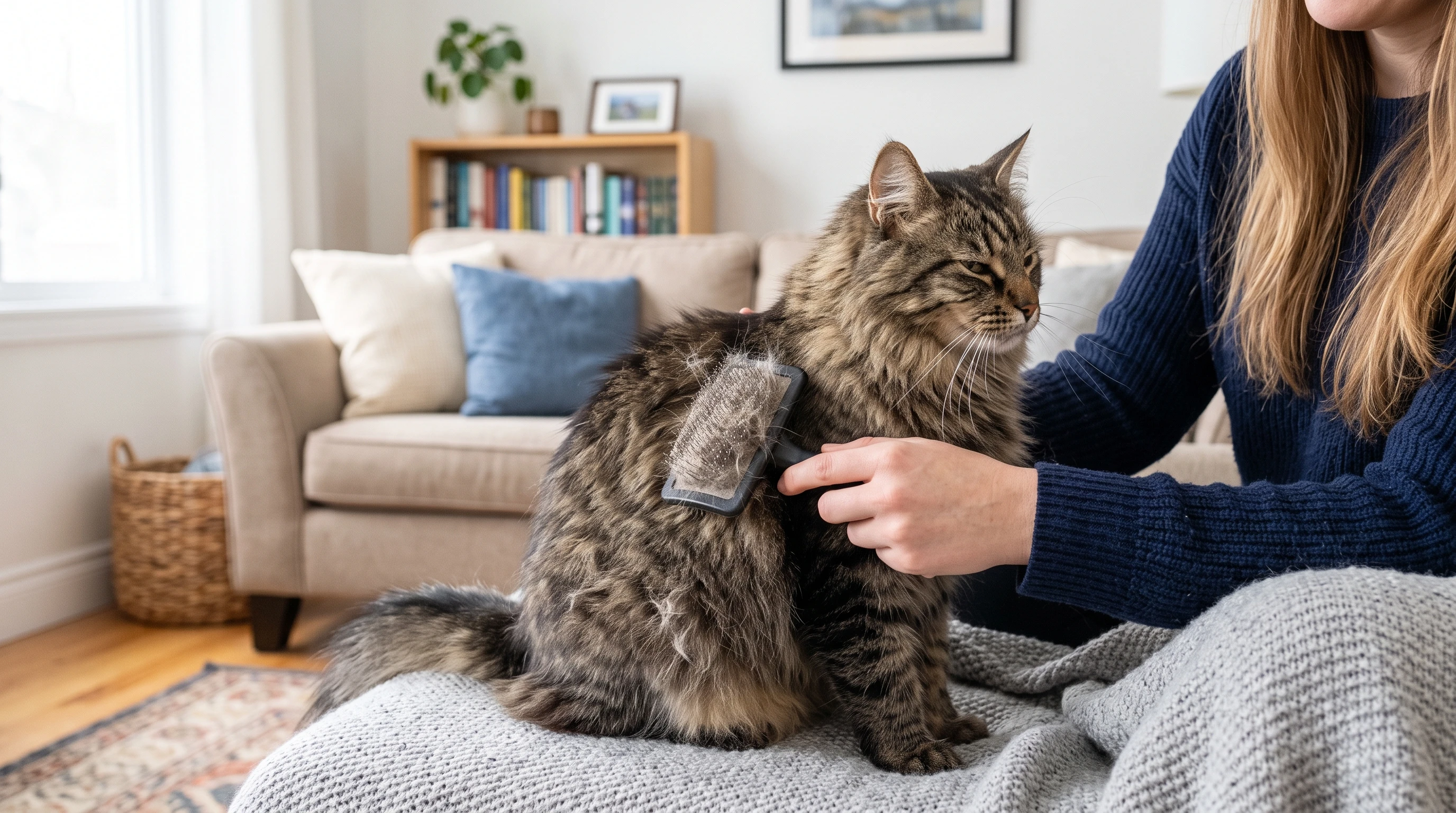
Merck Veterinary Manual and Cornell Feline Health Center recommend regular brushing or combing to reduce the amount of loose fur a cat swallows. For many cats, grooming is one of the most useful ways to reduce hairball formation. [1][2]
- I brush long-haired cats every day, and short-haired cats less frequently depending on their coat and how much they shed.
- Start brushing slowly if your cat isn’t used to it, using treats and gentle strokes.
- Slicker brushes, grooming gloves, and wide-tooth combs really help for different coat types.
- During heavy shedding seasons, you may need to brush more frequently.
Increase Hydration
Hydration supports normal digestion and bowel function, although drinking more water does not directly dissolve hairballs. [5]
- Fresh, clean water should always be available.
- Try multiple water bowls or a cat water fountain to encourage drinking.
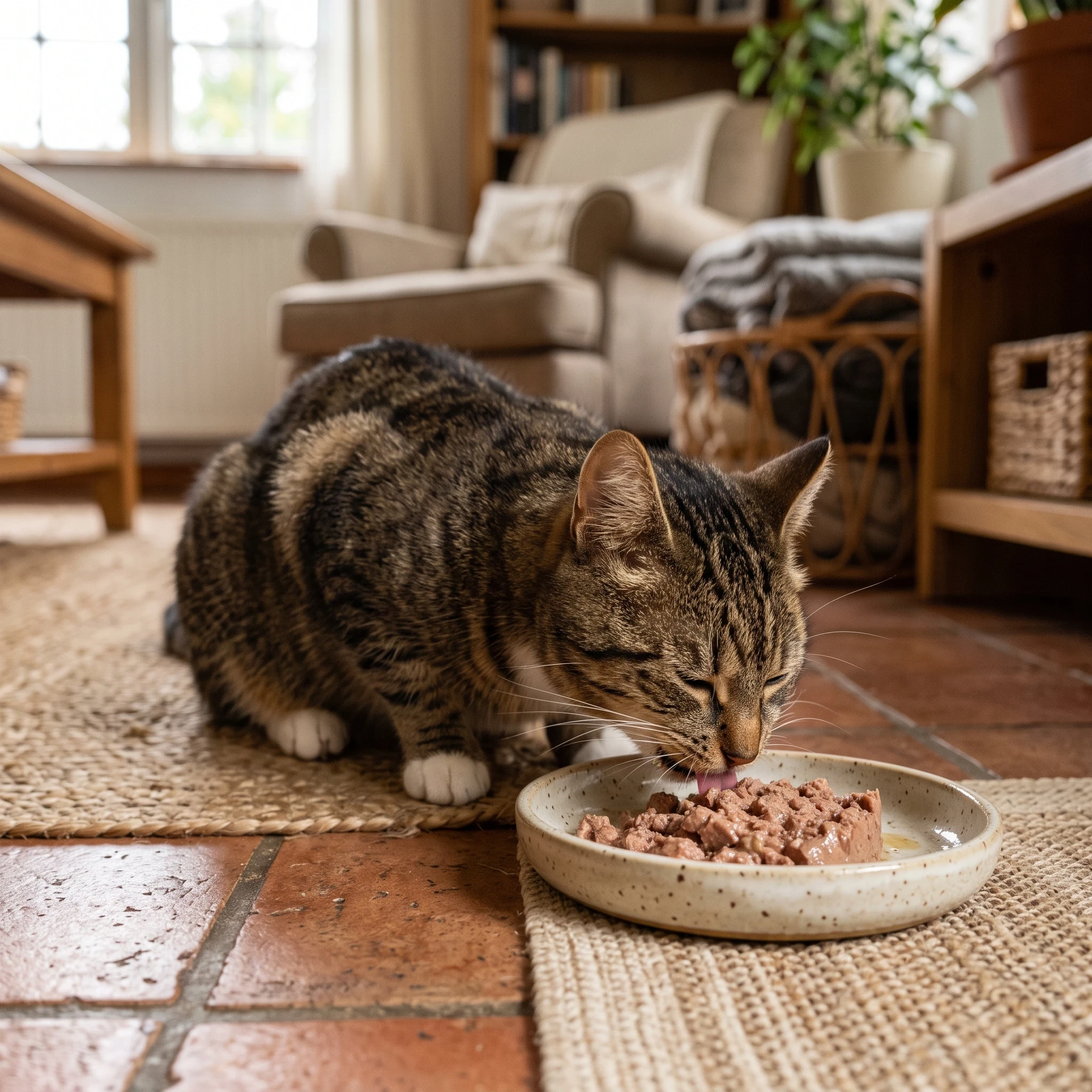
- Offer wet food regularly, and try adding a splash of water to your cat’s meals if they’re mainly eating dry kibble.
I don’t rely on hydration alone to “dissolve” hairballs, but it definitely supports overall digestive health.
Feed Moisture-Rich Foods
Adding canned or wet food to your cat’s diet is an easy way to bump up their water intake. Wet food can contribute substantially to a cat’s overall water intake, although there is not strong evidence that moisture-rich food alone prevents hairballs.
Remember to transition diets slowly so you don’t upset your cat’s stomach, and always check with your vet before making big dietary changes.
Increase Fibre (Carefully)
Some cats may benefit from diets containing appropriate amounts and types of dietary fibre. Research has found that certain high-fibre diets can increase the amount of hair passed in the feces, particularly in long-haired cats, although not every type of fibre produces the same results. [6][7]
Natural fibre sources sometimes discussed for cats include:
- Plain canned pumpkin (not pie filling), which provides dietary fibre.
- Psyllium, which is sometimes used as a veterinary fibre supplement.
- Commercial high-fibre or hairball-control cat foods formulated to provide an appropriate amount of fibre.
However, more fibre is not automatically better. Psyllium and other fibre supplements should be used cautiously and with adequate water, and they should not be given to a cat with a suspected intestinal blockage. [8]
Rather than adding a specific amount of fibre on your own, ask your veterinarian whether your cat would benefit from a fibre-containing diet or supplement and which option is appropriate.
Support Exercise
Regular activity supports normal gastrointestinal function and helps maintain a healthy body weight. While exercise isn’t a proven hairball treatment by itself, keeping your cat active is an important part of overall health.
You can use wand toys, laser pointers (ending with a physical toy), climbing trees, and even food puzzles to encourage cats to move more each day. Try short play sessions at different times, and switch up toys to keep them interested.
Lower Stress
Some cats overgroom when they are stressed or anxious, which can increase the amount of hair they ingest. However, excessive grooming can also be caused by pain, allergies, parasites, or other medical problems, so it shouldn’t automatically be attributed to stress. [3]
Try to provide a predictable daily routine, offer window perches and quiet hiding spaces, and rotate toys for mental enrichment. Pheromone products may help some cats with stress-related behavioral problems, although they are not a direct treatment for hairballs.
If your cat suddenly begins grooming excessively or develops bald patches, ask your veterinarian about possible medical causes before assuming stress is responsible.
Related article: How To Create A Stress-free Environment For Cats
How To Create A Cat-friendly Home
Address Itchy Skin
Excessive grooming can signal an underlying problem such as fleas, allergies, parasites, skin infection, or pain. Cats that lick excessively may ingest more hair and consequently be more prone to hairballs. [3]
Keeping up with appropriate parasite prevention, feeding a complete and balanced diet, and asking your veterinarian about unexplained skin changes can help address excessive grooming at its source.
If your cat is licking excessively, developing bald patches, or repeatedly producing hairballs, a veterinary examination can help identify the underlying cause.
Omega-3 Fatty Acids
Omega-3 fatty acids are sometimes used to support skin and coat health, particularly in cats with certain inflammatory skin conditions. However, they should not be presented as a proven hairball-prevention treatment or as a guaranteed way to reduce shedding.
If your veterinarian recommends an omega-3 supplement, use a cat-appropriate product and follow the recommended dose. Supplements can have side effects and are not appropriate for every cat.
Related article: Benefits Of Omega-3 For Cats
Natural Foods Often Suggested
I get a lot of questions about foods that might help with hairballs. Here’s what I’ve learned based on researching their effects:
Pumpkin
Plain canned pumpkin is a source of dietary fibre and is sometimes used as a fibre supplement for cats. However, there is limited evidence specifically showing that pumpkin prevents hairballs.
If your veterinarian recommends pumpkin for your cat, use plain pumpkin rather than pie filling and follow the amount they suggest. Too much can cause digestive upset.
Psyllium Husk
Psyllium is a fibre supplement sometimes used to support bowel health and increase fecal bulk. Some research suggests that diets containing psyllium or other fibres may increase fecal hair excretion in cats. [6][8]
However, psyllium is not appropriate for every cat. It should be given with adequate water and should not be used if an intestinal blockage is suspected. Ask your veterinarian about whether it is appropriate and how much to use for your cat. [8]
Fish Oil
Fish oil provides omega-3 fatty acids that may support skin and coat health in some cats, but there is not enough evidence to say that fish oil reliably reduces shedding or prevents hairballs.
If your veterinarian recommends fish oil, use a product intended for cats and follow the recommended dosage.
Egg Yolk
Some people recommend egg yolk for hairball prevention, but there is little veterinary evidence that egg yolk actually prevents hairballs. Egg yolk is also relatively high in fat, so it may not suit every cat, particularly cats with certain digestive or dietary conditions.
If you want to offer cooked egg as an occasional treat, keep the portion small and make sure it is fully cooked and unseasoned.
Coconut Oil
This is a popular remedy online. From what I’ve seen, coconut oil isn’t well-backed by research. Too much can cause diarrhea, unwanted weight gain, or may not be suitable for cats with a history of pancreatitis.
Olive Oil
This gets recommended a lot, but again, there’s little solid veterinary evidence that it truly prevents hairballs. Like coconut oil, excess can upset digestion. I never use oils as a replacement for other proven methods like brushing.
Things That Don’t Really Work (Or Aren’t Safe)
Not everything shared online is safe or effective for cats. I avoid these so-called remedies:
- Butter or margarine
- Large amounts of any oil
- Milk (most cats are sensitive to lactose anyway)
- Random herbal teas and products
- Essential oils, which are often toxic to cats [9]
Safe, gentle strategies such as regular grooming and appropriate veterinary care are the better approach to hairball control.
Hairball Control Diets
Some commercial cat foods are formulated with increased or specific types of dietary fibre to help move swallowed hair through the digestive tract. Research has found that certain fibre-containing diets can increase fecal hair excretion, although results vary depending on the fibre source and the individual cat. [6][7]
These diets may provide:
- Increased fibre to help move hair through the digestive tract
- Ingredients formulated to support normal stool quality
- Complete and balanced nutrition when fed as directed
If you’re considering a hairball-control food, talk with your veterinarian to make sure it fits your cat’s broader dietary needs. Always transition to new foods gradually to reduce the chance of digestive upset.
What About Hairball Gels?
Hairball gels are lubricant-based products that may contain ingredients such as petroleum jelly or mineral oil. Veterinarians may recommend certain products to help hair pass through the digestive tract, particularly for cats that are prone to hairball problems. [1][2]
However, these products should not be treated as automatically safe or necessary for every cat. Cornell Feline Health Center advises owners not to give laxatives to cats without veterinary approval and supervision. [1]
If your veterinarian recommends a hairball gel or other lubricant, use a product specifically intended for cats and follow the directions carefully.
Warning Signs: Hairballs Aren’t Always Harmless
There’s a difference between the occasional hairball and serious health problems. If you notice any of these, call a vet right away:
- Frequent retching or gagging without bringing up a hairball
- Repeated vomiting
- Loss of appetite
- Lethargy, tiredness, less interest in play
- Abdominal pain or a swollen belly
- Constipation or ongoing diarrhea
- Unexplained weight loss
- Blood in vomit or stool
- Unable to keep down food or water [1][4]
These symptoms may signal an intestinal blockage or another illness needing quick medical attention. Hairballs are rarely dangerous by themselves, but don’t ignore ongoing symptoms in your cat. Repeated vomiting should never automatically be assumed to be “just a hairball.” [1][2]
Common Myths About Cat Hairballs
Hairballs are one of the most misunderstood aspects of cat care. While they’re common, there’s a lot of inaccurate advice circulating online. Understanding the facts can help you choose prevention methods that are both safe and effective.
Here are a few key points every cat owner should know:
- Not every vomiting cat has a hairball. Many medical conditions can cause vomiting. [4]
- Hairballs aren’t totally harmless, especially if they happen often. Hairballs can occasionally cause serious complications, including intestinal obstruction. [1][2]
- There is no single fixed number of hairballs that is considered normal for every cat. If hairballs become frequent or increase suddenly, talk with your veterinarian.
- Pouring various oils on food doesn’t cure hairballs and can make things worse.
- Long-haired cats don’t always need hairball meds. Routine brushing is usually more effective and, when appropriate, veterinary-recommended hairball diets or treatments. [1][2]
FAQs About Cat Hairballs
How often are hairballs normal?
There isn’t one universally accepted number that applies to every cat. Cornell notes that some otherwise healthy cats may expel a hairball once every week or two, while VCA recommends contacting a veterinarian if a cat is vomiting hairballs more than once a month. [1][4]
The important thing is to pay attention to your individual cat. A sudden increase in hairballs, frequent vomiting, or other symptoms such as appetite loss or lethargy should be discussed with a veterinarian.
Can cats choke on hairballs?
Hairballs can occasionally become lodged in the gastrointestinal tract and cause an obstruction, although this is uncommon. Persistent gagging or retching without producing a hairball, vomiting, loss of appetite, lethargy, or abdominal discomfort can be warning signs of a more serious problem. Seek veterinary care promptly if these occur. [1][2]
Key Takeaways
The best natural steps for reducing cat hairballs are simple: regular brushing, maintaining good hydration, feeding an appropriate complete and balanced diet, considering fibre when recommended by a veterinarian, supporting normal activity, and addressing anything that causes excessive grooming. Regular grooming is one of the most consistently recommended ways to reduce the amount of hair a cat swallows. [1][2]
No single food, oil, or supplement is a guaranteed cure for hairballs. If your cat develops frequent hairballs, repeated vomiting, excessive grooming, or other changes in behavior or appetite, check with your veterinarian rather than assuming the problem is simply hairballs.
References
1. Cornell University College of Veterinary Medicine, Cornell Feline Health Center. The Danger of Hairballs. https://www.vet.cornell.edu/departments-centers-and-institutes/cornell-feline-health-center/health-information/feline-health-topics/danger-hairballs
2. Merck Veterinary Manual. Managing Hairballs in Cats. Merck & Co., Inc. https://www.merckvetmanual.com/multimedia/table/managing-hairballs-in-cats
3. Cornell University College of Veterinary Medicine, Cornell Feline Health Center. Cats That Lick Too Much. https://www.vet.cornell.edu/departments-centers-and-institutes/cornell-feline-health-center/health-information/feline-health-topics/cats-lick-too-much
4. Cornell University College of Veterinary Medicine, Cornell Feline Health Center. Vomiting. https://www.vet.cornell.edu/departments-centers-and-institutes/cornell-feline-health-center/health-information/feline-health-topics/vomiting
5. VCA Animal Hospitals. Trichobezoars (Hairballs) in Cats. 2025. https://vcahospitals.com/know-your-pet/trichobezoars-in-cats
6. Fekete SG, et al. Influence of the dietary fibre levels on faecal hair excretion after 14 days in short and long-haired domestic cats. Veterinary Medicine and Science. 2017;3(4):218–225. doi:10.1002/vms3.6.
7. Donadelli RA, Aldrich CG. The effects of diets varying in fibre sources on nutrient utilization, stool quality and hairball management in cats. Journal of Animal Physiology and Animal Nutrition. 2020;104(2):715–724. doi:10.1111/jpn.13289.
8. VCA Animal Hospitals. Psyllium Fiber Capsules. 2025. https://vcahospitals.com/know-your-pet/psyllium-fiber-capsules
9. Merck Veterinary Manual. Toxicoses From Essential Oils in Animals. 2025. https://www.merckvetmanual.com/toxicology/toxicoses-from-household-hazards/toxicoses-from-essential-oils-in-animals