
Your home might feel inviting and cozy for you, but for your cat, it can sometimes feel like a maze with limited options for climbing, scratching, hiding, playing, resting, and observing the world. I have often found that the best cat homes are not giant, chaotic playgrounds, but spaces thoughtfully arranged around a cat’s natural instincts. Catification is the process of shaping your home to promote your cat’s wellbeing, behavior, and comfort, while still keeping your space livable for your needs too. [1] My experiences with cats have shown me that even a few simple tweaks make a huge difference in a cat’s day-to-day comfort and happiness.
🐾 Purr-lease Note: FelineGo is an Amazon Associate, which means we may earn a small commission from qualifying purchases made through some of the Amazon links on this site. This comes at no extra cost to you and helps support FelineGo and our mission to create helpful content for cat parents. Thank you for supporting our little corner of the cat world! 🐱💕
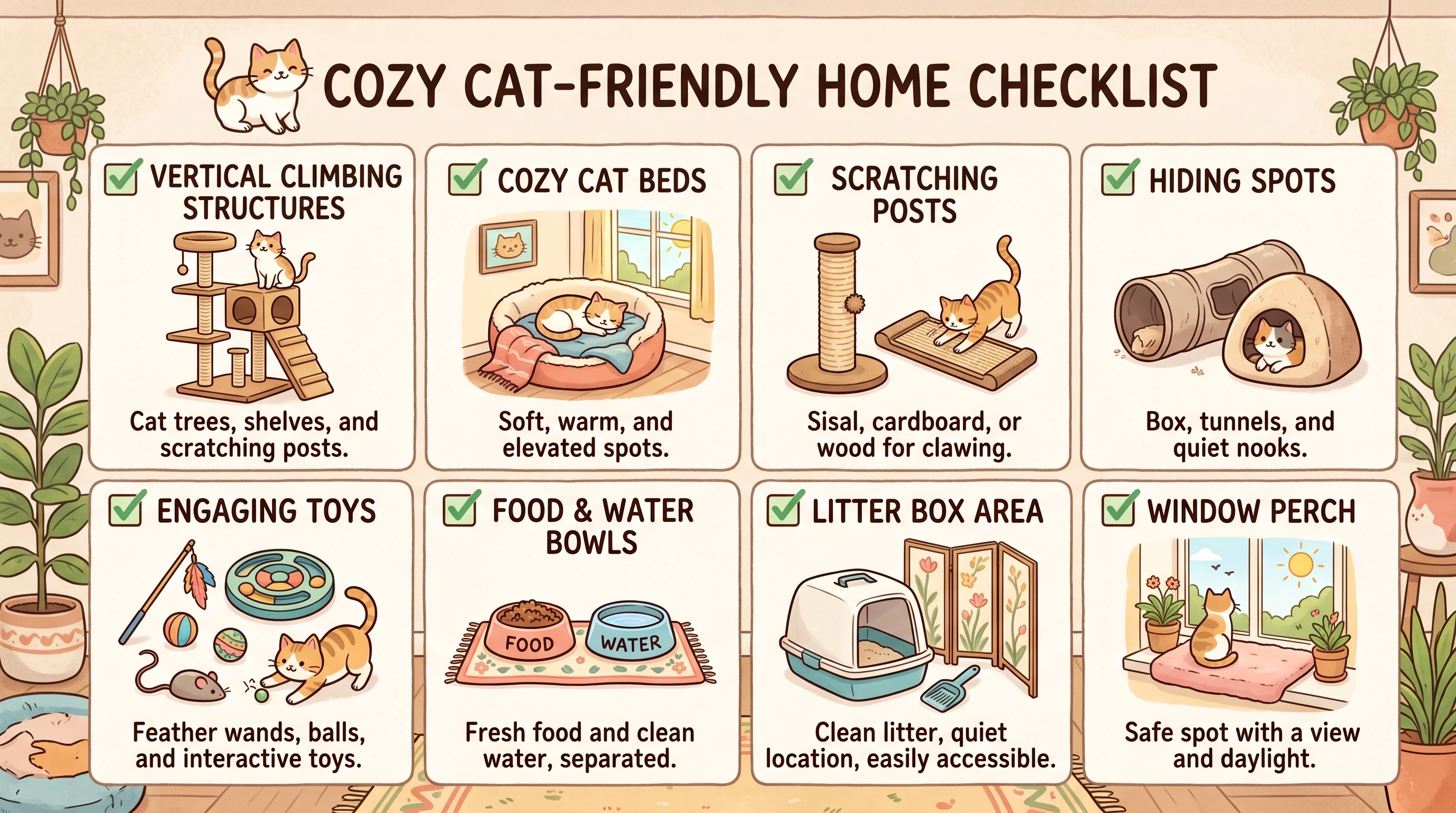
When I started catifying my home, I realized it’s about working with what you have, adding vertical options, making cozy hideouts, putting scratching stations in the right spots, and setting up appealing food, water, and litter box areas. I’ll walk through ideas to help you build a home that’s interesting and safe for your cat, focusing on:
- Vertical climbing space
- Hiding and resting areas
- Scratching stations
- Indoor play and hunting fun
- Food, water, and litter setup
- DIY catification ideas
- Simple safety checks
What Does a Cat-Friendly Home Look Like?
A cat-friendly home lets cats do what comes naturally. They love to climb, scratch, pounce, nap, and watch the world go by, all in a safe space. I always notice my cats rotate between wanting interaction and needing time to themselves. A well-set up home lets them make those choices comfortably.
The key elements to focus on are:
- Safe, quiet spots for when your cat needs a break from household activity
- Vertical spaces like cat trees, shelves, or window perches to climb and survey their territory
- Scratching stations, so your furniture stays protected and your cat enjoys a good daily stretch
- Places to play, whether that’s a bunch of toys or interactive DIY games
- Comfy places to nap or watch out the window
- Separate, easy-to-reach food, water, and litter box zones
- Opportunities for curiosity. Safe objects or textures to sniff and observe
These highlights the importance of providing safe havens, allowing cats to play, and keeping key resources like food and litter apart so cats never feel trapped or threatened in their own home.
1. Create Vertical Space for Your Cat
Every cat I’ve lived with has loved climbing. Whether it’s up a bookshelf or along the back of the couch, creating vertical space gives your cat a way to move higher off the ground, get exercise, feel safe, and sometimes just watch the household from above. [1] This doesn’t have to be complicated, as even a small shelf can give a boost to your cat’s sense of control and comfort.
Easy Vertical Space Ideas
- Put a cat tree near a window to offer climbing and birdwatching in one place.
- Rearrange furniture so your cat can jump from a couch to a low table to a window ledge.
- Place sturdy bookshelves with just a few items on the top shelves for your cat to use as a lookout.
- Install ready-made cat perches or cheap wall shelves at different heights.
DIY Catification Ideas for Vertical Space
- Attach carpet remnants or sisal mats to wooden boards, then mount them on the wall for climbing.
- Recycle old wooden stairs or ladders into a climbing wall.
- Upgrade cheap shelving brackets with thicker wood planks and cover them with nonslip fabric.
Important safety note: Any structure you add must be firmly attached to studs or solid wood, not just drywall. Avoid wobbly shelves or tall, unstable furniture that could tip over. For bigger or heavier cats, double-check the weight limit of wall-mounted items. [1]
#ad
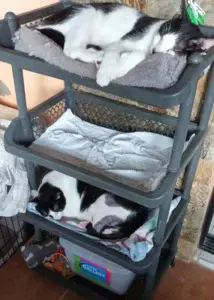
Sharing with you our own makeshift cat tower. You can create a similar one using a shelf like this. You can also line it with old blankets, towels, or a small cat bed like the ones we did.
2. Give Your Cat Plenty of Hiding Places
I’ve learned that even the most social cats need a cozy, private place to hide. Hiding places help your cat feel secure, especially during vacuuming sessions, thunderstorms, or when guests visit. When your cat can retreat to these areas, it lessens their stress and gives them power over their surroundings. [1]
Easy DIY Cat Hiding Spots
- Cut a hole in the side of a cardboard box and line it with a blanket.
- Drape a towel or old t-shirts over a chair to create a tented nook.
- Place a laundry basket upside down with an opening cut for an easy hideaway.
- Reuse paper bags (without handles) as snuggle sacks.
Where Should You Put a Cat Hideaway?
Hideouts work best in places that are low-traffic and quiet, such as under a bed or table, or basically any space in the home that has less noise. If your cat loves sun, tuck one behind a curtain near a sunbeam. If you have more than one cat, offer choices in different rooms so each cat always has a retreat. [1]
3. Set Up Scratching Areas Around the Home
Scratching is a normal (and super important) cat activity. Stretching, stress relief, claw care, and marking territory all come from scratching. Without appropriate scratching surfaces, some cats may scratch furniture, carpets, or other household surfaces. [2] Encouraging this behavior in the right areas can save your furniture and make your cat happier.
DIY Scratching Ideas
- Wrap natural sisal rope tightly around the leg of a sturdy table or old chair.
- Glue layers of corrugated cardboard together to make a homemade scratch pad.
- Drape a piece of carpet to a scrap wood plank and lean it against the wall.
Where to Put Scratching Posts
I find it works best to place scratchers where cats actually hang out, next to beds, in the living room, or right by their favorite nap spot. Placing a post near the spot your cat wakes up reinforces this habit, and over time your cat may choose these posts over your own furniture. [2]
4. Build an Indoor Cat Playground
An indoor cat playground can be as simple or as elaborate as you want. Think of it as a zone with a few climbing, hiding, and playing features all grouped together. You can try combining a cat tree, a few wall shelves, and a scratching post with a tunnel or cardboard box for variety. This lets your cat move, hide, and play in a controlled, stimulating environment. [1]
Simple Cat Playground Indoor DIY Ideas
- Combine a cat tunnel, a cardboard box, and a few balls or soft toys in one play zone.
- Stack pillows or soft blankets to make a mini jumping course.
- Repurpose a low bookshelf as a ramp or stairs for older cats.
Before You Build:
- Measure the space so everything fits easily.
- Think about your cat’s size, any mobility issues, and personality.
- Use materials that are sturdy and easy to clean (no loose nails or staples).
- Secure tall or elevated pieces to a solid wall or base.
- Avoid sharp corners or rough wood edges.
- Test if your cat can safely jump or climb up and down.
- Check all DIY items regularly for loose parts or wear and tear. [1]
5. Add DIY Catification Ideas Throughout Your Home
Adding cat-friendly features room by room can help make any home happier for any cat without feeling overwhelming. Remember, you don’t need to overhaul the entire house overnight. Each little adjustment makes the space more enjoyable for your furry friend, and you build up a more inviting cat home over time.
Living Room Catification
- Set up a corner for a tall scratcher and a window perch, so the cat can enjoy sun and watching the outside.
- Let pillows or folded blankets stay out for quick naps.
- Use cube storage to organize cat toys.
Bedroom Catification
- Put a cat bed or box under the bed for a secure rest.
- Use a spare shelf or corner dresser for a soft bed near the window.
Hallway Catification
- Install a narrow shelf or ledge for running or lounging above foot traffic.
- Hang a couple of dangling toys from a low coat hook as a game.
Kitchen Catification
- Use a placemat under the water bowl to catch spills.
- Keep hazardous cleaners or foods tightly stored to avoid accidental poisoning.
- Discourage climbing on counters by providing better alternatives elsewhere.
When making changes in the kitchen, always put safety above enrichment. Cats are curious, but they don’t always know what’s off-limits, so it’s important to minimize risks in this space.
Small Apartment Catification
- Pick pieces that offer multiple purposes, like ottomans with storage and a soft top for perching.
- Go vertical with window shelves or stackable cat houses to save space.
6. Create a Cat-Friendly Window Area
My cat loves sitting in the window and watching the birds. A window perch, small shelf, or securely placed chair opens up hours of entertainment. Just make sure window screens are properly fitted and the cat can’t push them out during birdwatching excitement. Never rely on a loose or damaged window screen to prevent a cat from falling. Adding a soft mat or towel helps make the window area an even more attractive hangout.
7. Create Opportunities for Play and Hunting
Cats need a break from naps, and indoor playtime keeps them from getting bored. Rotating toys, hiding treats, and introducing new textures or sounds keep things interesting for your cat even inside a small home. [1] You can jumpstart more active play by joining in with wands or interactive toys—this is especially great for boosting your bond with your cat.
DIY Cat Enrichment Ideas
- Stuff treats inside empty toilet paper tubes and fold the ends.
- Make tissue paper “crinkle” balls for batting around.
- Hide pieces of kibble inside an old egg carton turned upside down.
- Rotate store-bought and homemade toys to keep interest high.
For more ideas, visit:
20 Indoor Activities To Keep Your Cat Entertained: DIY Cat Playtime Activities
You can also head over here for more enrichment ideas:
Puzzles And Challenges For Indoor Cats
8. Make Food and Water Areas Cat-Friendly
Food and water deserve a bit more planning than most people think. Cats generally benefit from having their feeding, drinking, and toileting resources separated, particularly in multi-cat households. Providing peaceful meal zones can improve your cat’s comfort and give them more control over access to resources. [1]
Food Area
- Keep food away from the litter box and water bowl. A quiet, low-traffic area works well.
- Use shallow, wide bowls if your cat seems to prefer them.
- If you have multiple cats, feed them in separate locations so they feel secure.
Water Area
- Set up water bowls in different rooms, away from food and litter boxes.
- Some cats may prefer drinking from a pet fountain, while others prefer a still water bowl. Offering fresh water in a clean bowl and giving your cat choices can help you find what works best for them. [3]
You can also try placing a water bowl near your cat’s favorite lounging or napping spot, which sometimes encourages more drinking. Just keep your eyes open for any sudden changes in drinking habits, and check bowls daily for cleanliness.
More info on water intake here:
9. Create a Better Litter Box Setup
A good litter box setup makes life easier for both you and your cat. Place boxes in quiet spots, away from heavy traffic, loud appliances, or food/water stations. Many cat owners like to offer one more box than the number of cats. [4] Open or covered boxes can be offered according to your cat’s preference. [4] Avoid cramming a box in the closet or behind closed doors, as cats prefer a quick escape path.
Scoop daily, clean regularly, and try different litters if your cat seems fussy. [4] If you have multiple cats, each cat should not have to compete for a box. Watching for signs your cat is not comfortable with a box (like going outside of it) is important to monitor. Adjust the setup until you find what works best for your household.
10. Give Your Cat Comfortable Places to Rest
Cats spend a lot of their day sleeping. I leave soft beds, folded towels, or couches clear so my cat always has a choice. Beds near sunny windows or with a little privacy are favorites in my house. You can also offer sleeping spots at different heights. If your cat hides or sleeps in their own hidden spots, add a soft blanket to make it more inviting. Regularly check these napping areas for fur buildup or needed washing—they accumulate quickly!
11. Catify Your Home Without Buying Expensive Furniture
When I first started catifying, I was on a tight budget and learned you don’t need anything fancy to make your cat happy. Simple, repurposed items and smart arrangement based on your cat’s habits go a long way. Your cat will appreciate a well-located box or homemade scratcher just as much as a pricier solution, especially if you place it in a favorite spot.
Low-Cost Catification Ideas
- Cardboard boxes for tunnels and hideaways
- Old blankets folded for instant beds
- DIY scratching boards or window perches with scraps
Start With What Your Cat Already Likes
If you notice your cat always sits by the window, climbs the back of a particular chair, or tucks away under the bed, look for ways to improve those spots instead of forcing new habits. Allowing your cat to express natural behavior builds trust and makes transitions smoother.
Does your cat constantly sit by the window? Add a perch.
Does your cat climb furniture? Create a safer climbing route.
Does your cat hide under the bed? Add a more comfortable hiding place.
12. Cat-Proof Your DIY Cat Playground
Safety checks are really important any time you add DIY cat furniture or toys. Always double-check every new shelf and structure after installation; if it can wobble using only one hand when you apply some force, then the cat shouldn’t use it. Avoid long strings, loose hardware, anything a cat could pull loose, or materials and adhesives that could be harmful if chewed or ingested. Look for any small bits that could be swallowed and check regularly for wear that might cause sharp edges or breakage. [1]
If you live in a multi-cat house like I do, offer extra resources. That means more cat beds, hiding spots, and litter boxes than cats, spread throughout your home so no one feels trapped or forced to pass by another cat to reach essentials. Watch your cats’ body language. This helps prevent tension and makes your home calmer for everyone, feline and human alike.
In AAFP and ISFM Feline Environmental Needs Guidelines, it was explained that in multi-cat households, cats may not always coexist comfortably when their environmental needs are not adequately met. Signs of tension can be easy to miss because not all cats will openly fight or display obvious behavioral problems. Simply seeing cats eating or sleeping in the same area does not necessarily mean they are comfortable with one another. They may be sharing the same space because food, resting areas, or other resources are concentrated in one location. [1]
Some cats may instead avoid conflict by using shared resources at different times. Providing multiple food, water, resting, scratching, and toileting areas in separate locations—and, where possible, out of each other’s direct view—gives cats more choices and greater control over how and when they access these resources. [1]
How to Catify a Home on a Budget
I’ve found some of the best enrichment for my cats is free or near-free. Here’s how you can do it too, adding options as the budget allows and seeing how the cats react to those:
- $0–Low Cost: Cardboard boxes, old blankets, paper bags (with the handles cut), moving small furniture for climbing routes, and DIY toy rotation.
- Low Budget: Corrugated cardboard scratchers, suction cup window perches, simple wall shelves (anchored!), pop-up tunnels, and basic hideaways.
- Larger Investment: A tall, sturdy cat tree, pre-made wall climbing systems, enclosed litter furniture, or fancy cat hammocks and covered beds.
Price does not guarantee happiness; what matters most is that options suit your cat’s personality, and you keep things clean and safe. Cats love variety, so mix in some DIY projects even if you have a few purchased items.
How to Create a Cat-Friendly Home in a Small Space
Living in a small apartment with a cat might sound difficult, but a little creativity can double your usable space. Use wall shelves, fabric hammocks, and soft beds in every sunny spot. Multipurpose furnitures mean my cat gets new adventures without taking over the whole apartment. Mini cat trees, underbed hideaways, and window perches make a big difference in a small place. If possible, rotate your cat’s possessions occasionally to add freshness to the space and keep your cat engaged.
A Simple Cat-Friendly Home Setup
One example that works in almost any space: Place a sturdy cat tree or stacked crates by a sunny window, add a scratching pad right beside it, and tuck a hideout or tunnel under a coffee table nearby. Put food and water away from the litter box, and spread toys or enrichment across the living room. If you have a hallway, mount a shelf or ledge just above head height for cats to use as a highway. This mix of options ensures your cat has choices and stays active.
#ad
Recommended product:
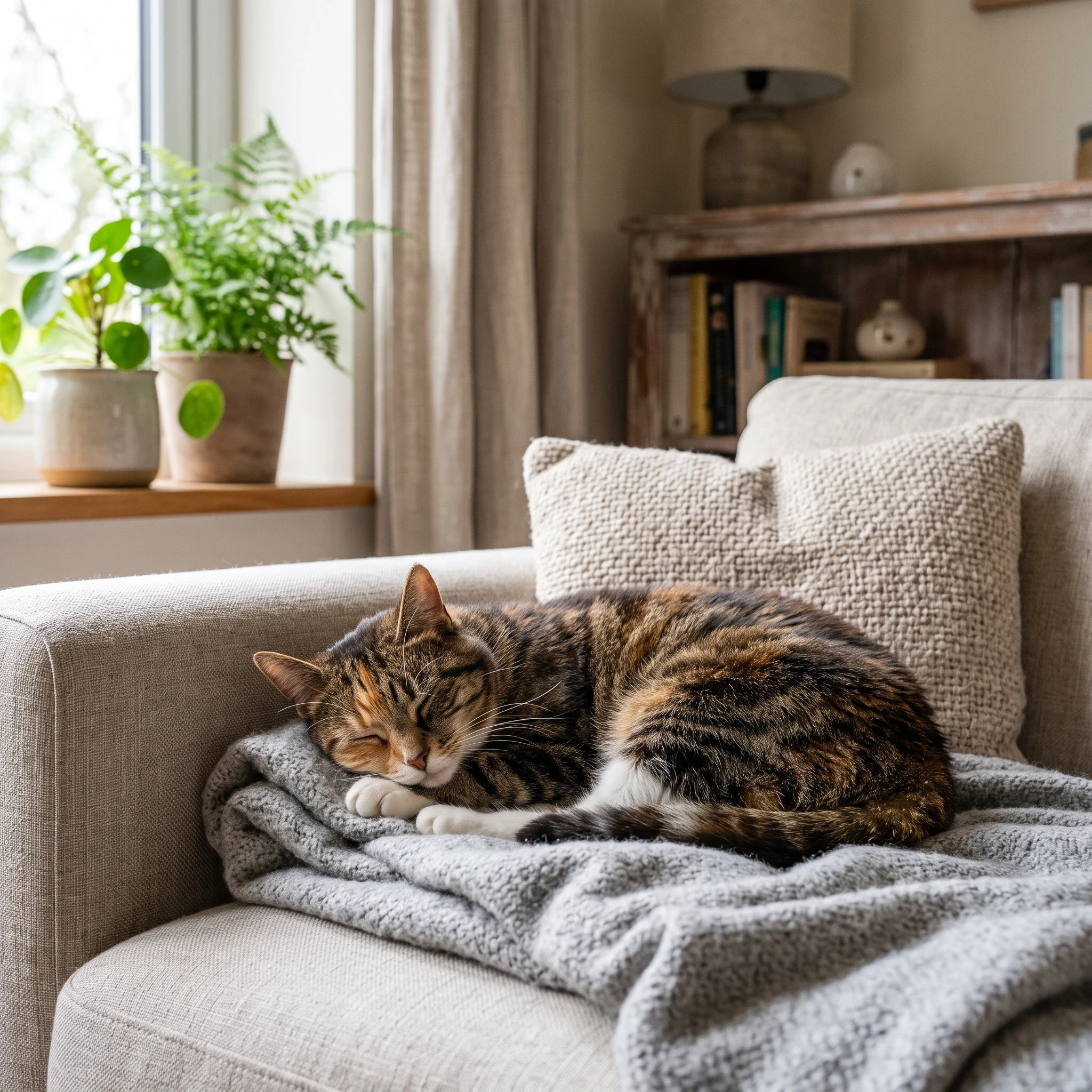
Cat blankets to keep your cats warm and cozy—perfect for napping on the sofa.
Frequently Asked Questions
What does it mean to catify your home?
Catifying means setting up your home so your cat can comfortably climb, scratch, hide, rest, play, and watch the world safely. This often involves a mix of storebought and DIY solutions that work with both your needs and your cat’s instincts.
How do I make my house more cat-friendly?
Start by adding vertical climbing space, safe hiding spots, scratching posts in key locations, cozy rest areas, and a good litter setup. Spread food, water, and play opportunities throughout the home, and keep safety in mind for all new additions.
How can I make a DIY cat playground?
Use sturdy shelves, cardboard boxes, tunnels, and repurposed furniture. Connect pieces for climbing or chase games, and check for safe landings. Always inspect for hazards before letting your cat use your creation.
What are some easy DIY catification ideas?
Cardboard hideouts, towel tents, carpet-covered scratch boards, and safe window beds are all easy projects that cats love. Mix low-cost ideas with repurposed household items to add variety.
How do I catify a small apartment?
Make use of vertical space (wall shelves, window sills), offer soft beds and small scratchers that tuck into unused corners, and rotate out toys and hideouts to keep things interesting without taking up too much space.
Do indoor cats need vertical space?
Yes, most cats really enjoy the chance to climb. Vertical space lets them feel safe and gives exercise, even in a studio or small home. Try installing shelves or a cat tree to let your cat see more of their territory from above.
How can I make my home more stimulating for an indoor cat?
Add a variety of toys, climbing, and hiding places. Rotate toys, try puzzle feeders, and give your cat a safe window view for daily watching. Play sessions with your cat keep things interesting and help form a stronger bond too.
Final Thoughts
Any home, small or spacious, can become a cat’s favorite place with a few thoughtful tweaks. Personal experience has shown me that it doesn’t take much money or effort to see your cat become happier and more relaxed. The best reward is watching your cat explore new napping spots, perch on a homemade shelf, or play with a toy you crafted just for them. A cat-friendly home helps your cat thrive and makes your life as a cat person more fun and fulfilling.
References
[1] Ellis SLH, Rodan I, Carney HC, et al. AAFP and ISFM Feline Environmental Needs Guidelines. Journal of Feline Medicine and Surgery. 2013;15(3):219–230. doi:10.1177/1098612X13477537. View source
[2] American Animal Hospital Association and American Association of Feline Practitioners. 2021 AAHA/AAFP Feline Life Stage Guidelines. Journal of Feline Medicine and Surgery. 2021. View source
[3] Grant DC. Effect of water source on intake and urine concentration in healthy cats. Journal of Feline Medicine and Surgery. 2010;12(6):431–434. doi:10.1016/j.jfms.2009.10.008. View source
[4] Taylor S, Boysen S, Buffington T, et al. 2025 iCatCare consensus guidelines on the diagnosis and management of lower urinary tract diseases in cats. Journal of Feline Medicine and Surgery. 2025;27(2). doi:10.1177/1098612X241309176. View source
[5] Rodan I, Ramos D, Carney H, et al. 2024 AAFP intercat tension guidelines: recognition, prevention and management. Journal of Feline Medicine and Surgery. 2024. doi:10.1177/1098612X241263465. View source