
Many cat owners worry that spaying might change their cat’s personality. I used to wonder if my own female cat would come back from the vet acting like a totally different cat. It’s normal to feel unsure about how spaying affects cat behavior, especially when stories float around about pets becoming completely different or lazy. In this article, I’ll clear up what actually changes, what stays the same, and what you can expect when your cat gets spayed.
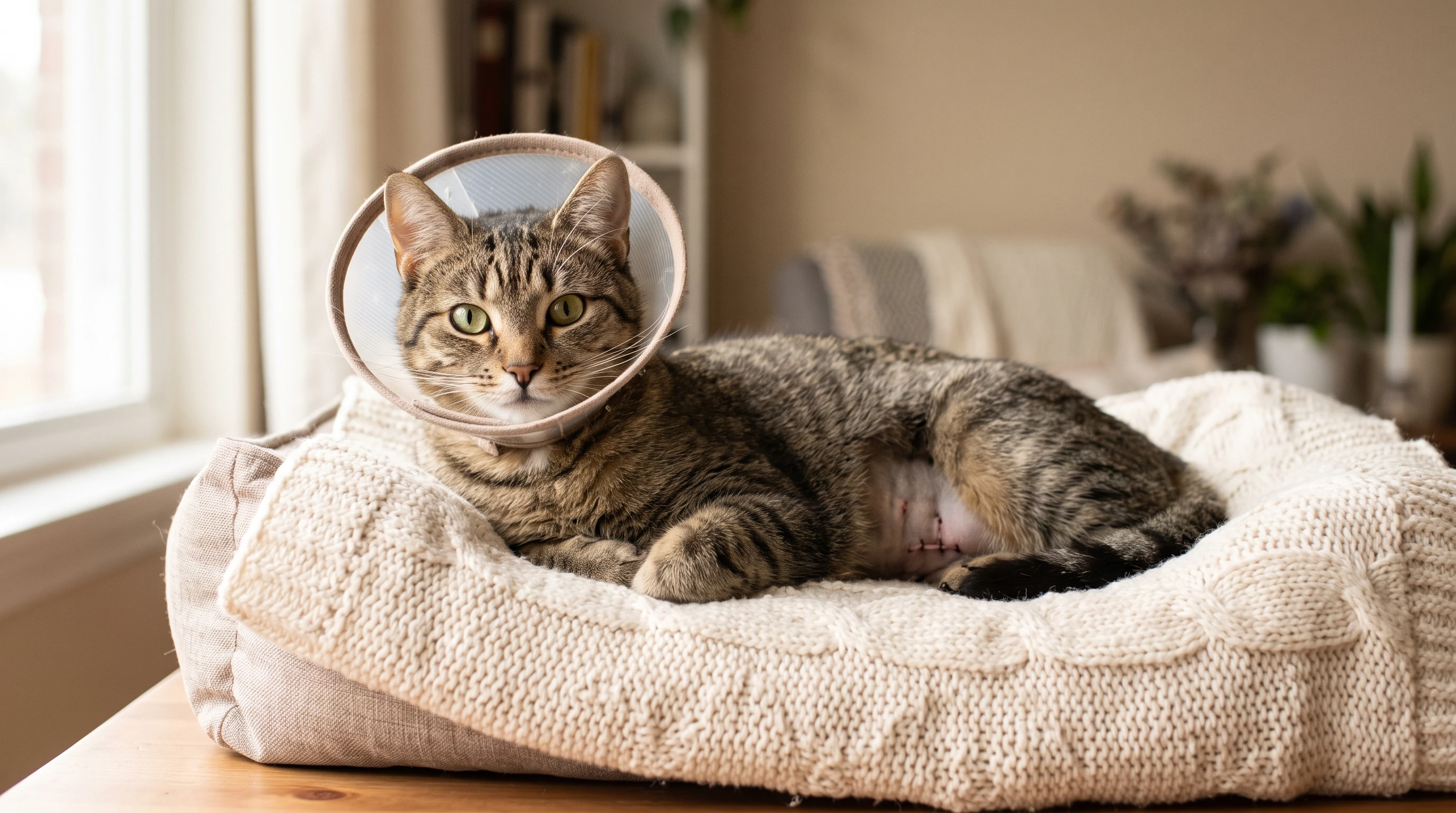
How Spaying Affects Hormones
Spaying is a surgical procedure where a veterinarian removes a female cat’s ovaries, usually along with the uterus. Without the ovaries, the body no longer produces the normal reproductive hormones responsible for heat cycles. Behaviors such as calling, rolling, and restlessness during heat are strongly influenced by these reproductive hormones. [1]
After spaying, reproductive hormone levels decline as the hormones already circulating in the body are cleared. Heat-related behaviors generally fade after surgery, although the timing can vary between individual cats. If your cat has developed habits—such as urine marking or calling for mates—before spaying, some behaviors may persist for a while. Spaying reduces hormone-driven urine marking, but it does not guarantee that the behavior will stop completely. Approximately 4% of spayed females continue to urine mark. [2]
Patience is key here, since not all changes happen overnight. Providing consistency and support at home during this period is important.
Behavior Changes You Can Expect
I’ve seen female cats experience some noticeable behavioral changes after spaying. The most obvious shift is the disappearance of heat-related behaviors. This can mean less calling, rolling, pacing, restlessness, and attempts to get outside in search of a mate.
There’s also usually less urine marking and spraying, particularly when the behavior was associated with reproductive hormones. Spaying before reproductive behaviors develop can help prevent them, but it does not guarantee that spraying will never occur. If an adult cat has been spraying for a long time, the behavior may persist and may require environmental changes or behavioral support. [2]
Other changes can include less roaming and fewer attempts to escape in search of a mate. Behaviors such as urine marking, roaming, and fighting can be influenced by reproductive hormones, so removing those hormonal drives can reduce them in some cats. [3]
Some cat owners may also notice that their cat seems calmer once heat cycles are no longer occurring. However, spaying does not generally change a cat’s fundamental personality, and individual responses can vary.
Behaviors That Usually Do NOT Change
A lot of people think spaying completely changes their cat’s personality. That hasn’t been my experience, and reproductive surgery is not expected to erase a cat’s individual temperament. Your cat’s friendliness, playfulness, curiosity, and bond with you are not simply determined by reproductive hormones.
Her curiosity, hunting behavior, and favorite activities will generally continue after spaying. The playful stalking, pouncing, and climbing that make up normal feline behavior do not disappear simply because a cat has been spayed.
Of course, individual behavior can change for many reasons, including age, environment, health, stress, and enrichment. Spaying mainly removes reproductive behaviors rather than changing the cat into a completely different animal.
Does Spaying Make Cats Lazy?
This comes up a lot: does spaying calm cats so much that they just become lazy or “couch potatoes”? Spaying does not erase a cat’s normal playful personality, but energy needs and activity levels can change after the procedure, which can increase the risk of weight gain if food intake is not adjusted. [4][5]
According to Purina Institute, calorie intake may need to be reduced by around 30% after spaying or neutering to account for lower energy needs, although the appropriate amount varies between individual cats. Food should be measured rather than offered unrestricted, and body condition should be monitored regularly. [4]
As your cat settles into life after spaying, you may notice changes in appetite or activity. Because energy requirements can decrease after the procedure, paying attention to portion sizes and body condition can help maintain a healthy weight. General calorie recommendations can provide a starting point, but veterinary guidance is preferred because caloric needs vary considerably between cats. [4][6]
To keep your cat active and healthy, provide stimulating toys and regular play. If you’re interested in reading more about exercise and encouraging feline fitness, check out how to help overweight cats exercise for some key pointers on starting a healthy exercise regimen.
It’s worth noting that most indoor cats benefit from structured playtime. As their reproductive behavior tones down, they need more mental and physical challenges to stay happy, avoid laziness, and prevent the dreaded weight gain.
Behavior Timeline After Spaying
Knowing what happens and when makes things less stressful. Here’s a rough timeline based on personal experience and veterinary advice:
- First few days: Your cat will mostly rest and recover from surgery. Keep her calm, limit strenuous activity, and provide a warm, quiet place to recover.
- Following weeks: As reproductive hormone levels continue to decline, heat-related behaviours such as calling, pacing, restlessness, and attempts to seek a mate often begin to lessen.
- Following weeks to months: Most hormone-driven behaviors should decrease substantially, although the timing varies between cats. If your cat previously urine-marked because of reproductive or environmental factors, the behavior may become less frequent or stop altogether, but some cats continue to mark. [2]
- Longer term: Behaviours that became learned habits—such as urine marking or roaming—may persist in some cats even after hormones have declined. These behaviours often improve with time but may also require environmental changes, behaviour modification, or veterinary advice.
During this transition, keep your cat’s routine as stable as possible and provide toys, comfy resting areas, and gentle attention. Patience and support help ease the switch for both you and your cat.
Factors That Influence Behavior After Spaying
Not every cat acts the same after being spayed. Age at spaying can influence whether reproductive behaviors have already become established, but it isn’t the only factor.
Behaviors or habits learned by your cat before surgery, the home environment, stress levels, and enrichment may all play a part. If your house is noisy or if you have other cats or pets, these can also have an impact on their behavior.
It’s helpful to check out some important benefits and keypoints regarding the benefits of early spaying in cats, since younger cats often adjust faster and have fewer unwanted behaviors later on.
As your cat becomes less focused on mating behaviours, maintaining an enriching home environment is still important. Regular play, climbing opportunities, and food puzzles can help keep her active and mentally engaged, which may also support a healthy body weight over time.
When to Contact a Veterinarian
While many behavioural changes after spaying happen gradually over several weeks or months, certain signs should never be ignored. If your cat shows sudden aggression, hides constantly, won’t eat, stays lethargic, or cries excessively, she might be in pain or have a complication. Signs such as difficulty urinating, repeated vomiting, a swollen abdomen, significant bleeding, or an incision that becomes increasingly red, swollen, or produces discharge require prompt veterinary attention. Trust your instincts—if something feels off, check in with your vet.
Always keep an eye on your cat’s appetite, activity, and healing progress. When in doubt, it’s better to ask a professional than to wait it out. Prompt care means peace of mind for both you and your feline friend.
Frequently Asked Questions (FAQ)
Does spaying calm cats?
Spaying can reduce behaviors driven by reproductive hormones, such as calling, roaming, and attempts to escape in search of a mate. Some cats may seem calmer once heat cycles stop, but spaying does not make every cat quiet or docile.
Will my cat still play?
Yes! Spayed cats are typically just as playful and curious. Their enjoyment of toys and games doesn’t depend on being spayed.
Will my cat still hunt?
Yes. Spaying does not remove a cat’s natural hunting and predatory behaviors. You can still see stalking, chasing, and pouncing during play, especially when you provide appropriate toys and enrichment.
Does spaying stop spraying?
Spaying reduces the chance of urine marking, but if your cat has been spraying for a long time, the habit may take longer to fade. Early spaying is best for preventing spraying before it starts.
Spaying reduces hormone-related urine marking, but it does not guarantee that spraying will stop completely. Approximately 4% of spayed females continue to urine mark. Environmental stress, territorial issues, and other behavioral or medical factors can also contribute to spraying. [2][3]
Can spaying stop aggression?
Spaying may reduce aggression associated with reproductive behavior, but it does not cure all forms of aggression. Fear, pain, territorial conflict, resource competition, and other environmental factors can contribute to aggression. If your cat becomes aggressive, your veterinarian can help determine the underlying cause.
Does behavior change immediately?
Not necessarily. Heat-related behaviors should gradually disappear after spaying, but the timing varies between cats. Behaviors that have become established habits, such as urine marking, may persist even after reproductive hormones have declined.
Common Spaying Myths and Misinformation
What owners should know:
- Spaying does not totally change a cat’s personality.
- Not every cat becomes calmer or stops spraying; some behaviors need time or environmental or behavioral intervention.
- Spaying can increase the risk of weight gain because energy needs and activity levels may change, but appropriate food portions and regular monitoring can help manage this risk. [4][5]
- Not all aggression disappears after surgery.
- Behavior does not change overnight after spaying.
- Indoor cats do benefit from spaying. Heat behaviors and medical risks still exist even when a cat is fully indoors.
- Spaying does not cause depression nor is it true that your cat “needs” to have a litter first.
I’ve learned that talking things through with your vet and doing careful research can help you feel confident about the decision to spay. Spaying substantially reduces reproductive behaviors while generally leaving a cat’s individual temperament intact. Most cats adjust well after surgery, although the timing and extent of behavioral changes vary between individuals. After your cat is spayed, following proper post-operative care and maintaining a healthy routine at home can support a smooth recovery and long-term well-being.
References
1. Merck Veterinary Manual. The Gonads and Genital Tract of Cats. Merck & Co., Inc. https://www.merckvetmanual.com/cat-owners/reproductive-disorders-of-cats/the-gonads-and-genital-tract-of-cats
2. Merck Veterinary Manual. Behavior Problems of Cats. Merck & Co., Inc. https://www.merckvetmanual.com/behavior/behavior-of-cats/behavior-problems-of-cats
3. Merck Veterinary Manual. Social Behavior of Cats. Merck & Co., Inc. https://www.merckvetmanual.com/behavior/behavior-of-cats/social-behavior-of-cats
4. Purina Institute. Decreased Energy Needs in Pets After Spaying or Neutering. https://www.purinainstitute.com/centresquare/nutritional-conversations/meet-kitty/decreased-energy-needs-in-pets-after-spaying-or-neutering
5. Larsen JA. Risk of obesity in the neutered cat. Journal of Feline Medicine and Surgery. 2017;19(8):779–783. doi:10.1177/1098612X16660605. View source
6. Purina Institute. Maintenance Energy Requirements (MER) Calculator for Cats. https://www.purinainstitute.com/explore/maintenance-energy-requirements-mer-calculator-for-cats