
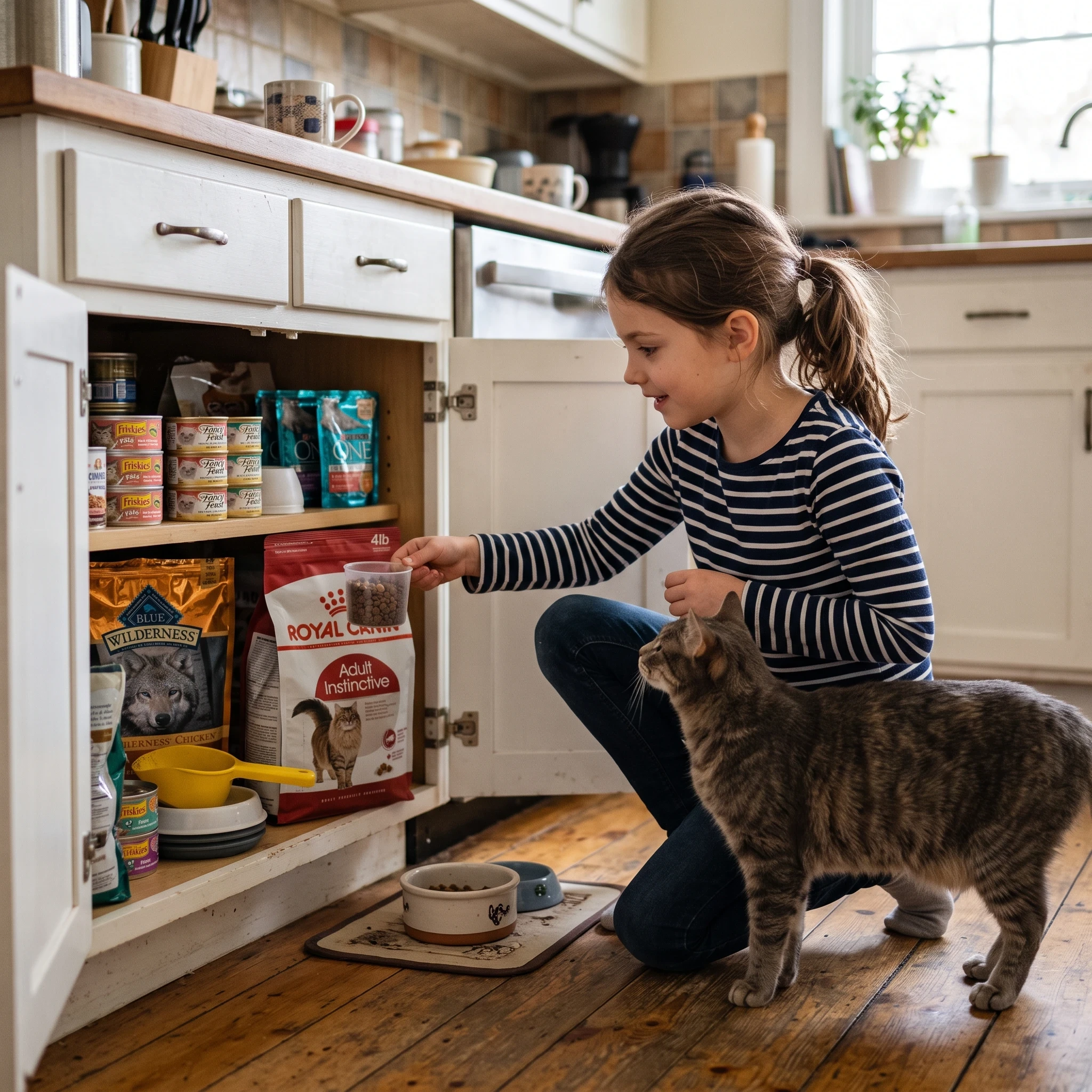
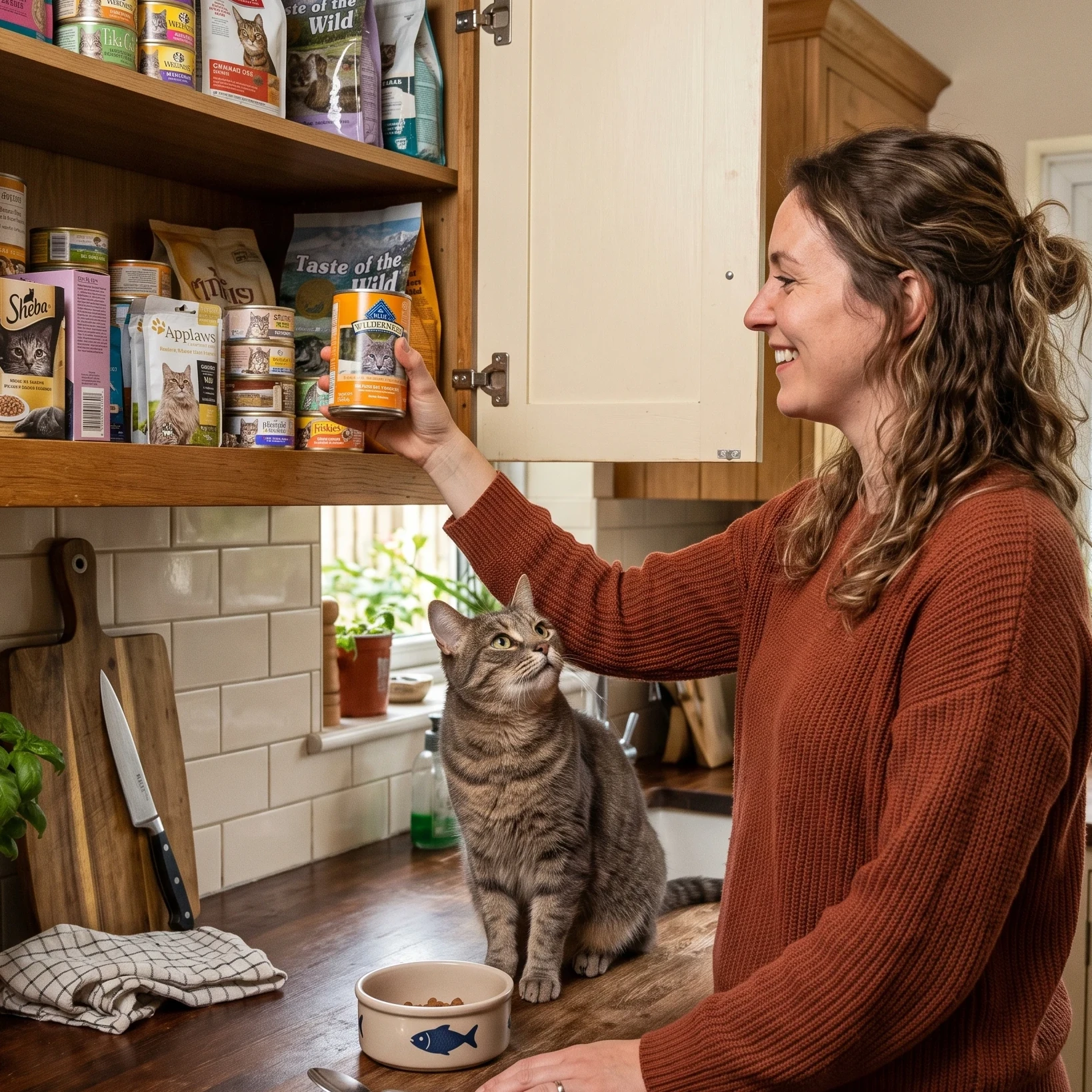
Trying to pick the best cat food for my cats can quickly become overwhelming. Flashy packaging and clever marketing terms fill pet store shelves, making every bag or can sound like the top choice. In reality, no single food works for every cat. Cats can have very different needs depending on their age, health, and preferences. What’s become clear to me is that learning how to read labels and understanding a cat’s basic nutritional requirements helps me make much better decisions for my pet’s health.
Cats with medical conditions or special dietary needs should always be checked by a veterinarian before making any changes to their food. A vet’s advice is especially important for cats with allergies, kidney problems, urinary issues, or digestive problems.
Nutrition isn’t just about filling my cat’s stomach. It has a real impact on long-term health, like keeping my pet’s weight in check and supporting a shiny coat, good energy, and a healthy digestive system. I’ve learned that choosing the right food helps my cats live a happier, more comfortable, and possibly longer life. In this guide, I share what I’ve stumbled upon about reading cat food labels, understanding ingredient lists, and making sense of terms you often see in stores. I’m not recommending specific brands. Instead, I’ll walk you through easy, science-based tips that help any cat owner make a smarter choice, no matter their budget. We’re about to get into everything you need to know so you can make the most of your next cat food purchase.
Why Choosing the Right Cat Food Matters
The food your cat eats plays an important role in their health, both now and as they grow older. The nutrients in the cat food influence many things most cat owners would notice in their pets, including the cat’s body weight, how much muscle she has, her daily energy, and even whether her coat looks soft and glossy or dull and dry.
Diet affects a cat’s ability to fight off infections, helps maintain good digestion, and supports healthy bones and organs. Cats rely on their diet for:
- Maintaining a healthy weight
- Building and preserving muscle
- Stable energy throughout the day
- A smooth, shiny coat and healthy skin
- Good digestive health
- A strong immune system
- Keeping their urinary tract in good shape
- Reaching their full lifespan
Different life stages and situations mean different needs. Kittens, adult cats, senior cats, pregnant cats, and cats with health issues all need special attention to their nutrition. Understanding these basics helps me look past marketing claims and get to what really matters. That’s why I try to track down what’s actually inside the bag or can.
Understand Your Cat’s Nutritional Needs
Cats aren’t like dogs when it comes to food. Cats are obligate carnivores, which means they have specific nutritional requirements that are naturally supplied by animal tissues, although some nutrients can also be provided in synthetic or supplemental forms in commercial diets.[3][4] Skipping these essential nutrients can leave them deficient in things their bodies need.
High Quality Animal Protein
Protein is the number one building block in any cat’s diet. Quality protein helps them maintain muscle, build and repair tissue, and keep their organs working smoothly. Good sources found in cat food include:
- Chicken
- Turkey
- Fish (like salmon or ocean whitefish)
- Beef
- Lamb
Protein is one of the most important nutrients in a cat’s diet. Cats have evolved to thrive on animal-based proteins, which naturally provide many of the nutrients they require. Some commercial foods also contain plant proteins, but these are typically included alongside animal ingredients in nutritionally complete diets rather than replacing them entirely.
Healthy Fats
Fats aren’t just an energy source. They’re important for brain health, keeping my cat’s skin soft, and giving her that bright, eye-catching coat. Omega-3 and omega-6 fatty acids are really important, especially for cats with skin sensitivities or dry fur. I look for these in the ingredient list since some are added directly as fish oil or chicken fat. These healthy fats give a real boost to my cat’s coat and overall well-being.
Vitamins and Minerals
Vitamins and minerals aren’t just extra. They keep all my cat’s systems running. They support healthy bones, sharp vision, a strong immune system, and help with things like cell growth and metabolism. Most commercial foods have these mixed in to meet my cat’s daily needs, so I don’t have to add supplements unless my vet recommends it. Plus, many brands set the bar pretty high, ensuring most nutrients are covered for each life stage.
Taurine is Essential
This is a big one. Unlike many other animals, cats cannot produce enough taurine to meet their needs, so they must obtain adequate amounts from their diet. Without enough taurine, cats can develop serious health problems, including heart and eye disorders.[3][4] Most complete and balanced commercial cat foods contain added taurine to meet feline nutritional requirements. Always make sure a food is formulated to provide complete and balanced nutrition, especially when considering “natural” or homemade diets. If you ever wonder whether a food provides enough taurine, your vet can help you determine what your cat needs.
How to Read a Cat Food Label
Learning to read and understand a cat food label is one of the most useful things any pet owner can do. It enables us to move past marketing tactics and see if a product is really right for our cats. Knowing where to look and what each label section means takes the guesswork out of shopping and helps us pick up the right food for our feline friends.
Ingredient List
Ingredients are generally listed in descending order by weight, with the ingredients weighing the most listed first. This weight includes their moisture content.[1] For example, “chicken” as the first ingredient might look impressive, but since chicken contains a lot of water, its actual protein contribution can be lower after cooking. That’s why it’s smart to look at the next few items in the list. I’ve learned not to judge a food by just the first word on the bag. Instead, a food with named meat sources high on the list, like “chicken meal” or “turkey meal,” provides concentrated sources of protein.
Clever wording can hide what’s really in the food. Ingredients like “animal by-product meal” or “meat” are vague. I try to find foods that say what type of animal the protein comes from. When the source is clear, I get a better sense of what my cat is actually eating.
Guaranteed Analysis
Every package of cat food will show something called a “Guaranteed Analysis.” It’s a chart of percentages that tells me how much protein, fat, fiber, and moisture is in the food. Here’s a quick breakdown:
- Crude Protein: Shows total protein, but not the source or quality
- Crude Fat: Overall fat content, including healthy fats
- Crude Fiber: Fiber amount, which can affect digestion and hairball control
- Moisture: Reveals the water content; important in wet vs dry foods
I use these numbers to compare products, but I know they don’t tell the whole story. For example, a wet food may appear lower in protein simply because its higher moisture content dilutes the nutrient percentages listed on the label. Comparing foods on a dry matter basis provides a more accurate picture, although manufacturers don’t usually include those calculations on the packaging. If I’m ever unsure how to interpret a label, I ask my veterinarian for guidance to help match a food to my cat’s individual needs.
Complete and Balanced Statement
One of the most important things I check for is a “complete and balanced” statement, often found in small print on cat food packaging. The nutritional adequacy statement indicates that the food is intended to provide complete and balanced nutrition for a specific life stage, such as kitten, adult maintenance, or all life stages.[1][2] Foods intended only for intermittent or supplemental feeding should not be used as the sole diet.
According to AAFCO, one of the most valuable pieces of information on a pet food label is the nutritional adequacy statement. It tells you whether the food is formulated to provide complete and balanced nutrition for a specific life stage, helping you choose a diet that matches your cat’s nutritional needs. This statement is usually printed in small text on the back or side of the package. Because it follows a standardized format, it’s easy to compare different products and determine whether they’re intended for kittens, adult cats, all life stages, or supplemental feeding only. [1][2]
Feeding Guidelines
Labels usually show how much to feed based on a cat’s weight. I use these as a guide, not a rulebook. Every cat is different; activity level, age, and metabolism all play a role in how much food is right. I watch my cat’s body shape and energy levels to know if these amounts are working. Portion sizes should keep her at a steady, healthy weight, not just match a chart. Sometimes, I need to adjust over time to reach and stick to a healthy balance.
Wet Food vs Dry Food
Vets often get asked which is better: wet or dry cat food. Both have their strengths and drawbacks, and the choice usually comes down to what works best for your individual cat and household.
- Wet Food
Pros: Higher water content, which helps with hydration especially for cats who don’t drink much. Most cats find wet food more enticing, and it can be beneficial for older cats or those with dental issues.
Cons: Tends to cost more per serving, can spoil if not eaten quickly, and usually has a shorter shelf life once opened. If your cat doesn’t drink much water, increasing moisture through wet food may help. A balanced diet with adequate moisture and appropriate fiber may also support digestive health, which can help reduce hairballs. You can also check out our Water Intake Guide for Cats for more info regarding feline hydration. - Dry Food
Pros: Very convenient, easy to measure and store, and less expensive. Some dry cat foods are specially formulated to help reduce plaque and tartar buildup, but they should be used alongside—not instead of—regular dental care.
Cons: Lower moisture means it is a must to keep an eye on your cat’s water intake. It’s also easier to overfeed when free feeding, which can lead to weight gain.
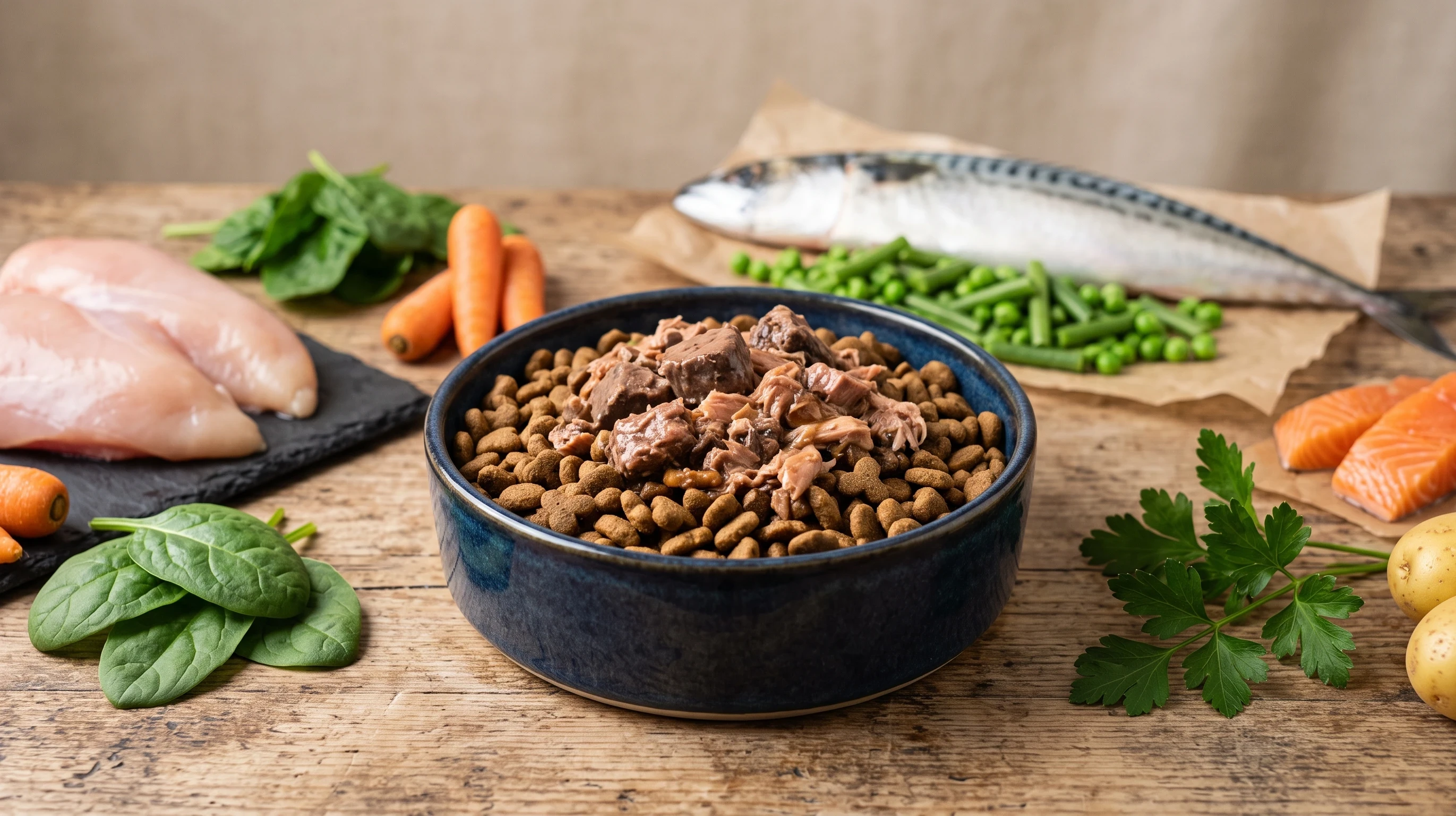
There’s no one-size-fits-all answer. Some cats thrive on a mix of both. I pay attention to my cat’s water intake and talk to my vet if I have concerns. When my cat seems to favor one kind of food or needs a diet tweak, I experiment with food types, flavors, and textures to mix things up for her benefit.
Ingredients That Often Raise Questions
Some ingredients spark a lot of debate. I try to look beyond rumors by researching what’s really in my cat’s food, weighing out both sides and making decisions grounded in facts—not just headlines.
Fillers
People often use the term “fillers” for grains like corn, soy, or wheat. While some cats have sensitivities, not all grains are harmful. Many grains provide fiber, energy, and even important nutrients. A small amount of grain isn’t a problem for most cats, but cheap foods that list several grains ahead of meat may be less ideal overall. If your cat has allergy symptoms that you can’t explain, ask your vet if it’s worth exploring a limited-ingredient food.
According to VCA Animal Hospitals, corn and other grains are sometimes portrayed in popular media as “fillers” in commercial pet food, implying that they are inexpensive substitutes for more valuable animal-based ingredients. However, this characterization is misleading. Rather than being nutritionally empty, grains can provide a variety of essential nutrients that contribute to the overall health and well-being of cats and other pets. [5]
By-products
By-products raise eyebrows, but the truth is more nuanced. By-products labeled by source, like “chicken by-product meal,” include organ meats and other parts some people wouldn’t eat but can be very healthy for cats. What I avoid are vague ingredients like “animal by-products” or generic “meat meal” that don’t identify the protein source, since knowing the exact protein source is important for cats with food allergies or sensitivities. When labeled clearly, by-products can step up your cat’s nutrition instead of being something to worry about.
Artificial Colors and Preservatives
The idea of unnecessary additives in cat food makes many owners uncomfortable. Artificial colors have no benefit for cats. Some preservatives are added to keep food safe during shipping and storage. I try to focus on foods with fewer unnecessary extras, but I also remember that “natural” isn’t always better without proper nutrients and safety standards. Some preservatives, including mixed tocopherols (forms of vitamin E), are used to help keep pet food fresh and protect fats from oxidation. The important thing is that the food is safe, nutritionally complete, and appropriate for your cat rather than simply avoiding every ingredient with a chemical-sounding name.
Signs Your Cat’s Food May Be a Good Fit
The best sign that my cats are on the right foods is how they look and feel. Here are things I watch for:
- Stable, healthy body weight (not too thin or too heavy)
- Shiny, soft coat
- Normal energy levels for their age
- Firm, regular stools (not too hard or runny)
- Healthy appetite, but not excessive begging
- Good muscle tone without bony or saggy areas
These don’t guarantee everything’s perfect, but they give me peace of mind that I’m feeding them well. Consistent positive signs over time is a strong sign that the food is a great pick.
Signs It May Be Time to Reevaluate Your Cat’s Diet
Sometimes, even with our best efforts, the cat food we chose simply doesn’t agree with their dietary needs or their nutritional needs might have changed over time. I look out for:
- Frequent vomiting that’s unrelated to hairballs or fast eating
- Chronic diarrhea or soft stools
- Noticeable weight loss (especially in older cats)
- Unexpected weight gain
- Poor or patchy coat
- Constant tiredness or low energy
- Persistent digestive issues
If you notice these signs sticking around for more than a week or two, talk to your vet before making big changes. Sometimes, a health issue is behind these symptoms rather than just the food. When in doubt, check in with a professional to get to the bottom of it.
Switching Cat Food Safely
Changing a cat’s food overnight usually leads to digestive upset. I’ve found a gradual switch works best. Here’s a simple starting plan:
- Days 1–2: Mix about 25% new food with 75% old food
- Days 3–4: Increase to half and half
- Days 5–6: Go to 75% new food and 25% old food
- Day 7+: Feed only the new food
Slow changes allow a cat’s digestive system to adjust. Some cats need even more time, especially if switching between very different foods or if the cat is sensitive. If your cat is picky or has had tummy trouble before, taking it slower than a week isn’t a problem—it might save you a mess, too.
Should You Choose Grain-Free, Limited Ingredient, or Prescription Diets?
The pet food aisles today are full of specialty diets. Here’s a rundown on a few you’ll see:
- Grain-Free: These foods avoid wheat, corn, and other grains. They sound healthy, but they aren’t automatically better for every cat. According to VCA Animal Hospitals, food allergies involving grains are uncommon in cats, and animal proteins are more commonly implicated. [5] Unless a vet suspects a grain allergy, there’s little evidence most cats need to avoid grains. Most cats do fine with grains, and cutting them out is mostly about personal preference or special needs diagnosed by a professional.
- Limited Ingredient: Foods with fewer ingredients may help identify or avoid possible allergens for sensitive cats. They can make life easier when dealing with food allergies, but always check that they’re still “complete and balanced.” Sometimes, these are helpful if a cat has mysterious digestive issues or chronic itching. Pay attention to the ingredient sources to make sure nothing important is missing.
- Prescription Diets: Specially formulated by veterinarians for treating medical issues like urinary tract disease, kidney problems, or food allergies. These should only be given if a vet recommends them. Healthy cats don’t need prescription formulas. If your vet suggests a prescription food, it’s because your cat has specific nutritional needs that over-the-counter diets may not address.
Frequently Asked Questions
Is wet food healthier than dry food?
Neither is automatically healthier. Wet food provides more moisture, which is helpful for cats that don’t drink enough water. Dry food is convenient and has a longer shelf life. Some cats do well with a mix of both—listen to your cat’s preferences and needs.
How much protein should cat food contain?
The Association of American Feed Control Officials (AAFCO) establishes minimum protein requirements for complete and balanced cat foods. On a dry-matter basis, the minimum is 26% crude protein for adult maintenance diets and 30% for foods formulated for growth and reproduction, including kittens and pregnant or nursing cats.[1][4]
Many commercial cat foods exceed these minimum requirements to support healthy muscles and overall well-being. In some cases, veterinarians may recommend diets with higher or lower protein levels to meet the needs of cats with certain health conditions.
Are grain-free diets better?
Grain-free doesn’t automatically mean healthier. For most cats, grains are not a problem, and food allergies are more commonly linked to certain animal proteins than to grains. The focus should be on overall nutrition and quality protein sources.
Should kittens eat adult cat food?
Kittens need extra calories, fat, and specific nutrients to grow. Foods marked “for all life stages” or “kitten” are best during this time. Adult cat food doesn’t provide enough for kittens’ growth. When in doubt, check with your vet.
Can I mix wet and dry food?
Mixing is perfectly fine and sometimes helps picky eaters or cats that need more moisture. Just make sure the total calories meets the cat’s needs and both foods are complete and balanced. Monitor your cat’s weight and energy to ensure the right portions are provided.
When feeding a mix of wet and dry food, think of both meals as contributing to your cat’s daily calorie allowance rather than as separate meals. For example, if your cat needs 200 kcal per day and you want half to come from wet food and half from dry food, aim for 100 kcal from each. If the wet food contains 80 kcal per can, feed 100 ÷ 80 = 1¼ cans. If the dry food contains 400 kcal per cup, feed 100 ÷ 400 = ¼ cup. Check the calorie content on each product’s label, measure portions carefully, and adjust the amounts as needed to help your cat maintain a healthy body condition.
How often should I change my cat’s food?
If the cat is healthy, you can opt not to switch foods too often. Sudden changes increase the risk of digestive upset. I change food slowly if their food preferences change, if they need a different life stage diet, or if the vet recommends it.
Wrapping Up
Reading cat food labels, understanding what “complete and balanced” really means, and focusing on nutrition that suits each cat’s life stage gives any cat owner confidence when making choices. I don’t let marketing claims or pretty packaging make the decision for me. When things don’t seem right, or when my cat’s needs change, I talk to my veterinarian to figure out the next steps. Finding the right balance is one of the most important ways I can help my cat stay healthy and happy for years to come. With a bit of research and regular check-ups, you can set your cat up for a happy, well-fed future.
References
1. Association of American Feed Control Officials (AAFCO). Reading Labels. https://www.aafco.org/consumers/understanding-pet-food/reading-labels/
2. Association of American Feed Control Officials (AAFCO). Selecting the Right Pet Food. https://www.aafco.org/consumers/understanding-pet-food/selecting-the-right-pet-food
3. Cornell Feline Health Center. Feeding Your Cat. Cornell University College of Veterinary Medicine. https://www.vet.cornell.edu/departments-centers-and-institutes/cornell-feline-health-center/health-information/feline-health-topics/feeding-your-cat
4. Merck Veterinary Manual. Nutritional Requirements of Small Animals. https://www.merckvetmanual.com/management-and-nutrition/nutrition-small-animals/nutritional-requirements-of-small-animals
5. VCA Animal Hospitals. Nutritional Benefits of Corn and Grains for Dogs and Cats. https://vcahospitals.com/know-your-pet/nutritional-benefits-of-corn-and-grains-for-dogs-and-cats