
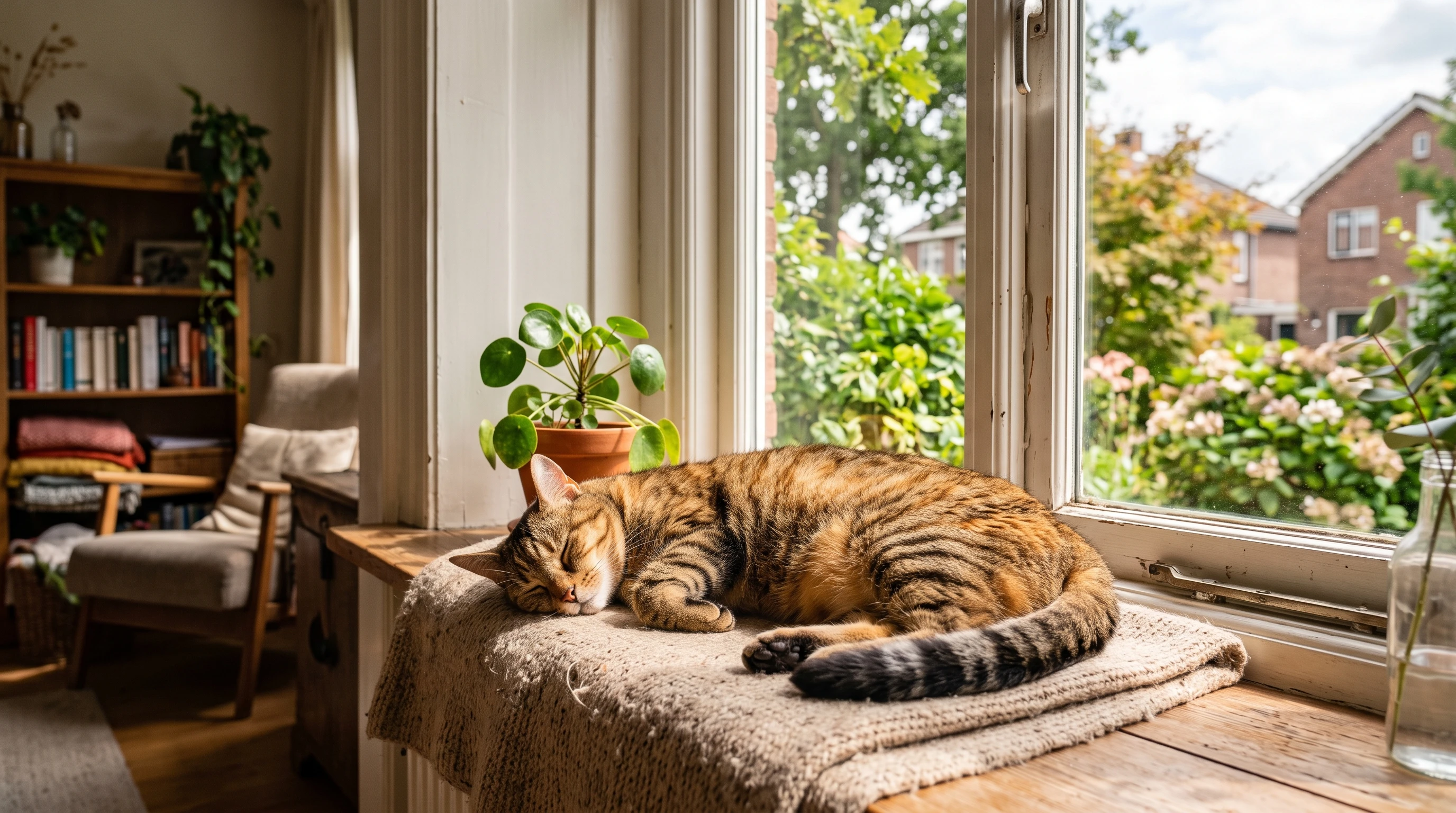
Many cat owners believe their indoor cats do not need vaccinations because they do not go outside and are not exposed to the same risks as outdoor cats. That sounds logical at first. However, indoor cats can still encounter infectious diseases through unexpected routes like open windows, visitors, or even trips to the vet. The answer to the question “do indoor cats need vaccinations” is generally yes. Indoor cats usually still need vaccinations to stay healthy. While their risk may be lower than cats who roam freely, it is not zero. An indoor cat vaccination schedule should always be discussed with a veterinarian who can personalize a plan that fits your cat’s unique situation.
Why Do Indoor Cats Need Vaccinations?
Even when cats stay mostly or entirely indoors, they are not completely protected from all sources of illness. Here’s how infectious diseases can still become a risk.
Diseases Can Enter Your Home
Germs and viruses that cause certain feline illnesses can ride in on shoes, clothing, shopping bags, or hands. If you have guests who own pets or if you have been exposed to animals while out and about, you might unknowingly carry germs inside. Visits to the veterinarian, pet groomer, or boarding facilities also create chances for exposure, even if only for a short time. Shared spaces with other pets, such as multi-pet households, can also increase the risk.
Indoor Cats May Escape or Be Accidentally Exposed
No household is completely sealed off from the outdoors. Accidents happen. A door held open a second too long or a window left unlatched can give a curious cat a quick opportunity to slip outside. Moving to a new apartment or house, needing to evacuate for emergencies, or temporarily staying elsewhere can also put your cat in unfamiliar environments where they may face a greater risk of exposure to infectious diseases.
Vaccines Protect More Than Just Outdoor Cats
Vaccination helps reduce the risk of serious infectious diseases and can lessen the severity of some illnesses if exposure occurs. Even if your cat rarely leaves the house, protection from contagious diseases is still relevant. Vaccinating indoor cats can help prevent avoidable illness, especially if they are ever accidentally exposed, boarded, hospitalized, or introduced to new cats.[1][2]
What Vaccines Do Indoor Cats Usually Need?
Veterinarians often classify cat vaccines as either core (recommended for every cat) or non-core (given based on lifestyle and risk). Which vaccines your cat needs will depend on factors such as their age, overall health, vaccination history, and lifestyle.
Core Vaccines Recommended for Most Cats
- FVRCP Vaccine: This combination vaccine protects against three serious viral diseases: feline viral rhinotracheitis (caused by feline herpesvirus), calicivirus, and panleukopenia (sometimes called feline distemper). These viruses can cause serious illness and are considered serious threats to cats, which is why FVRCP is recommended as a core vaccine for cats.[1][2]
- Rabies Vaccine: Rabies is almost always fatal once clinical signs develop, and vaccination is an important part of protecting cats and people from this disease. Rabies vaccination requirements vary by country, state, province, or local jurisdiction. Even indoor cats can potentially be exposed if they escape, encounter a rabid wild animal, travel, or must be evacuated during an emergency. Whether and how often your cat should receive the vaccine should be discussed with your veterinarian and based on local requirements and risk.[1][2]
Non-core Vaccines Depending on Lifestyle and Risk
According to the 2020 AAHA/AAFP Feline Vaccination Guidelines, non-core vaccines are recommended according to an individual cat’s risk of exposure. Your veterinarian may consider factors such as your cat’s age, lifestyle, environment, and likelihood of encountering particular diseases. Examples include feline leukemia virus (FeLV) for many cats over one year of age depending on risk, as well as vaccines against Chlamydia felis and Bordetella bronchiseptica in specific situations.[1]
- Feline Leukemia Virus (FeLV): Kittens and young cats benefit most from FeLV vaccination because their risk of infection can be higher, particularly if they may encounter other cats. According to the AAHA/AAFP guidelines, FeLV vaccination is considered a core vaccine for kittens and cats under one year of age. For healthy cats aged one year and older, it is generally considered a non-core vaccine and is recommended based on the individual cat’s risk of exposure to FeLV.[1]
- Other Vaccines: Some vaccines, such as those for Bordetella or Chlamydophila, are only advised in certain cases where your cat’s situation or household puts them at higher risk. Not every indoor cat requires every vaccine, so careful discussion with your veterinarian is the best way to decide.
How Often Do Indoor Cats Need Vaccinations?
The indoor cat vaccination schedule is personalized by a vet for each cat, but there are general guidelines for kittens and adults.
Kitten Vaccination Schedule
Kittens typically begin their core vaccination series at about 6 to 8 weeks of age, with additional doses given every 3 to 4 weeks until around 16 to 20 weeks of age.[1] Kittens need repeated doses because antibodies received from their mother can interfere with vaccination early in life. After the initial series, a booster is generally recommended around one year of age, followed by additional boosters according to the vaccine used, the cat’s risk level, and your veterinarian’s recommendations.[1][2] Even during this series, it’s important to keep kittens away from unknown animals or places where unvaccinated cats may have been.
Adult Indoor Cat Booster Schedule
Once a cat has completed its initial vaccination series, future boosters are usually given less frequently, but the interval depends on the specific vaccine, the cat’s risk level, and local regulations. Some vaccines may be given annually, while certain products are licensed for longer intervals, such as three years.[1][2] The right schedule depends on your cat’s health, age, lifestyle, vaccine history, and local laws. If your indoor cat is adopted as an adult and previous vaccination records are unavailable, your veterinarian can recommend an appropriate catch-up schedule.
Are Vaccines Safe for Indoor Cats?
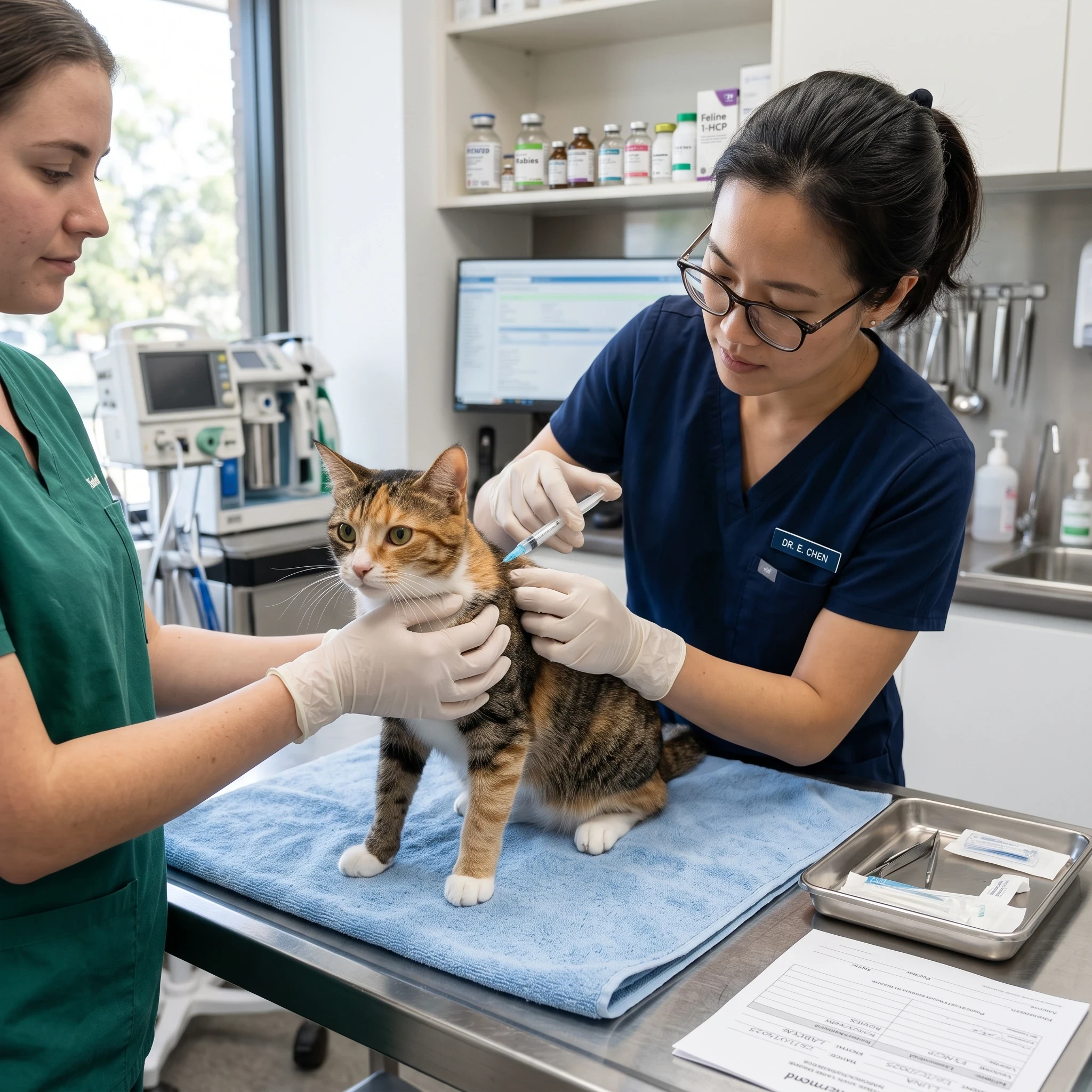
Vaccines are generally considered safe for cats, although, like any medical treatment, they can cause side effects. Most vaccine reactions are mild and short-lived, such as temporary soreness, sleepiness, or reduced appetite.[1][2]
Common Mild Vaccine Reactions
- Temporary soreness at the injection site
- Mild sleepiness or reduced energy for a day or two
- Lower appetite right after the shot
Most cats get back to their usual routine soon after their vet visit. After vaccinations, it’s a good idea to keep an indoor cat comfortable and limit stressful activities. You can help by offering water and a quiet spot where your cat feels safe. Any swelling or soreness usually fades quickly, and a gentle pat or reassuring words can make your pet feel calm.
Rare but More Serious Reactions
Serious allergic reactions are very uncommon but can include swelling, difficulty breathing, or severe lethargy. It’s a good idea to watch your cat for the first day after vaccination and call your veterinarian if you see worrisome symptoms, especially soon after the shot. Some cats may develop a small lump or swelling near the vaccine site. These often resolve, but any lump that persists, grows, or changes should be checked by your veterinarian.[1]
Why the Benefits Usually Outweigh the Risks
Vaccines greatly reduce the risk of serious, life-threatening diseases. Most side effects are mild compared to the impact of a serious illness. Talking with your vet about your cat’s medical history and personal risk ensures that you’re making the best choice for your situation. Most indoor cat owners feel reassured after a chat with their vet about the safety and purpose of keeping up with vaccines. By sharing concerns with a trusted professional, you can build a plan that suits both your peace of mind and your cat’s long-term health.
What Happens If an Indoor Cat Is Not Vaccinated?
Skipping vaccinations increases a cat’s vulnerability to contagious diseases. Indoor cats who are not vaccinated may face problems if they ever need to board at a kennel, visit a groomer, or move to a new city or state, since these places often require up-to-date vaccine records. If something unexpected happens, like an escape, natural disaster, or emergency evacuation, an unvaccinated cat is at much higher risk if exposed to an infectious disease. Many pet owners only discover their indoor cat’s vaccinations are out of date when boarding, travel, or an emergency veterinary visit requires proof of vaccination. Staying current on recommended vaccines is a simple way to help your cat stay protected and prepared for unexpected situations.
Do Indoor Senior Cats Still Need Vaccines?
Many people wonder if older indoor cats still need vaccines. Age alone doesn’t automatically remove the need for protection. Vets consider a few factors when planning vaccinations for senior cats, including the cat’s current health, past vaccination history, their daily environment, and any ongoing disease risks. For cats with some long-term health problems, or who have had reactions to vaccines in the past, your vet might suggest skipping or spacing out certain shots. Otherwise, age alone does not automatically mean vaccinations should stop. Your veterinarian can weigh the benefits and risks of continuing protection as your cat gets older.[1]
Factors That Affect Your Cat’s Vaccination Needs
If you want to figure out the right plan for your indoor cat, here are a few things to consider:
- Age and stage of life (kitten, adult, senior)
- Previous vaccination and health history
- Current medical conditions or ongoing treatments
- How many cats (or other pets) live in your household
- Whether other pets are allowed outside
- Plans for travel or temporary boarding
- Local disease risks in your geographical area
Discussing all these factors with your veterinarian helps ensure that your indoor cat stays up to date without having unnecessary treatments. Some vaccinations may also be especially important depending on where you live and which diseases are common in your area. Your vet will know all these and can adjust the plan for your pet accordingly. This kind of personalized attention works best for finding the right balance of care.
According to the 2020 AAHA/AAFP Feline Vaccination Guidelines, vaccination decisions should be made on a case-by-case basis. Veterinarians evaluate each cat’s age, health, lifestyle, environment, and risk of disease exposure before recommending a vaccine. They also consider the vaccine’s expected benefits, potential side effects, and how effectively it is likely to protect the individual cat. [1]
Common Myths About Indoor Cat Vaccinations
“My Cat Never Goes Outside, So Vaccines Are Unnecessary”
It’s easy to think a cat that never sets paw outside does not need shots. However, disease agents can still be brought into the home on shoes, clothing, or items from the store. Indoor cats may also escape briefly, adding to the risk. Even brief outdoor adventures or visitors who come over after contact with other animals can lead to exposure.
“Vaccines Are Only Needed When Cats Are Sick”
Vaccines are designed to prevent diseases; they boost your cat’s immunity before exposure happens, not after they get sick.
“Indoor Cats Have Stronger Immunity”
Staying inside does not make a cat’s immune system better equipped to fight off serious viruses. Indoor living only limits exposure, it does not train or strengthen immunity to diseases like those covered by vaccines. Even a healthy indoor cat remains vulnerable to certain illnesses unless vaccinations are kept up to date.
Frequently Asked Questions About Indoor Cat Vaccines
Do indoor cats need vaccines every year?
Some vaccines may need annual boosters, but others are given every three years. Your veterinarian will decide based on your cat’s health, lifestyle, vaccine type, and legal requirements.
What vaccines are absolutely necessary for indoor cats?
Most veterinarians consider FVRCP a core vaccine for cats, including indoor cats. Rabies vaccination is also commonly recommended and may be legally required depending on where you live. Non-core vaccines are considered according to the individual cat’s lifestyle and risk of exposure.[1][2]
Can an indoor cat get sick without vaccines?
Yes, unvaccinated indoor cats can develop serious illnesses if they are exposed to pathogens carried inside the home through contaminated items or during short periods outside. Unexpected events, like visiting friends with pets or emergencies, increase the risk further.
Are vaccines painful for cats?
Most cats experience only mild discomfort during injection. Some may be sleepy or a bit sore afterward but usually bounce back quickly. Offering a favorite treat or extra affection after a vaccine visit can make the experience smoother.
Do older indoor cats need booster shots?
Senior cats may still need some vaccines, depending on their health, risk, and previous vaccination history. Your vet can help decide the safest plan as your cat ages.
Indoor Cats Still Benefit From Vaccination Protection
Keeping your indoor cat healthy means protecting them from threats that aren’t always obvious. Every cat deserves a personalized health plan, and staying current with core vaccines is often part of that routine, even if your cat spends all their days inside. Discuss your concerns and questions with a trusted veterinarian to set up the safest, most effective indoor cat vaccination schedule for your furry friend. This way, even if new risks come up, your cat gets the best chance at a safe and happy life indoors.
References
1. Stone AE, Brummet GO, Carozza EM, et al. 2020 AAHA/AAFP Feline Vaccination Guidelines. Journal of Feline Medicine and Surgery. 2020;22(9):813–830. https://doi.org/10.1177/1098612X20941784 View source
2. Merck Veterinary Manual. Routine Health Care of Cats. Merck Veterinary Manual. https://www.merckvetmanual.com/cat-owners/caring-for-cats/routine-health-care-of-cats
3. Cornell University College of Veterinary Medicine, Cornell Feline Health Center. Feline Vaccines: Benefits and Risks. https://www.vet.cornell.edu/departments-centers-and-institutes/cornell-feline-health-center/health-information/feline-health-topics/feline-vaccines-benefits-and-risks
4. American Veterinary Medical Association (AVMA). Vaccinations. https://www.avma.org/resources-tools/pet-owners/petcare/vaccinations