Feeding routines are one of the important aspects in a cat’s daily life. Over the years, I’ve seen an organized cat food station make everyday life smoother for both cats and pet owners. Creating a clear spot for meals helps cut down on competition, lower stress, and support better eating habits. For households with multiple cats, a smart setup really makes a difference. Building a food station works even in tight quarters and may help cater to selective eaters, active cats, and those on special diets. Here’s everything I’ve learned about creating a practical, cat-friendly food station.
🐾 Purr-lease Note: FelineGo is an Amazon Associate, which means we may earn a small commission from qualifying purchases made through some of the Amazon links on this site. This comes at no extra cost to you and helps support FelineGo and our mission to create helpful content for cat parents. Thank you for supporting our little corner of the cat world! 🐱💕
#ad
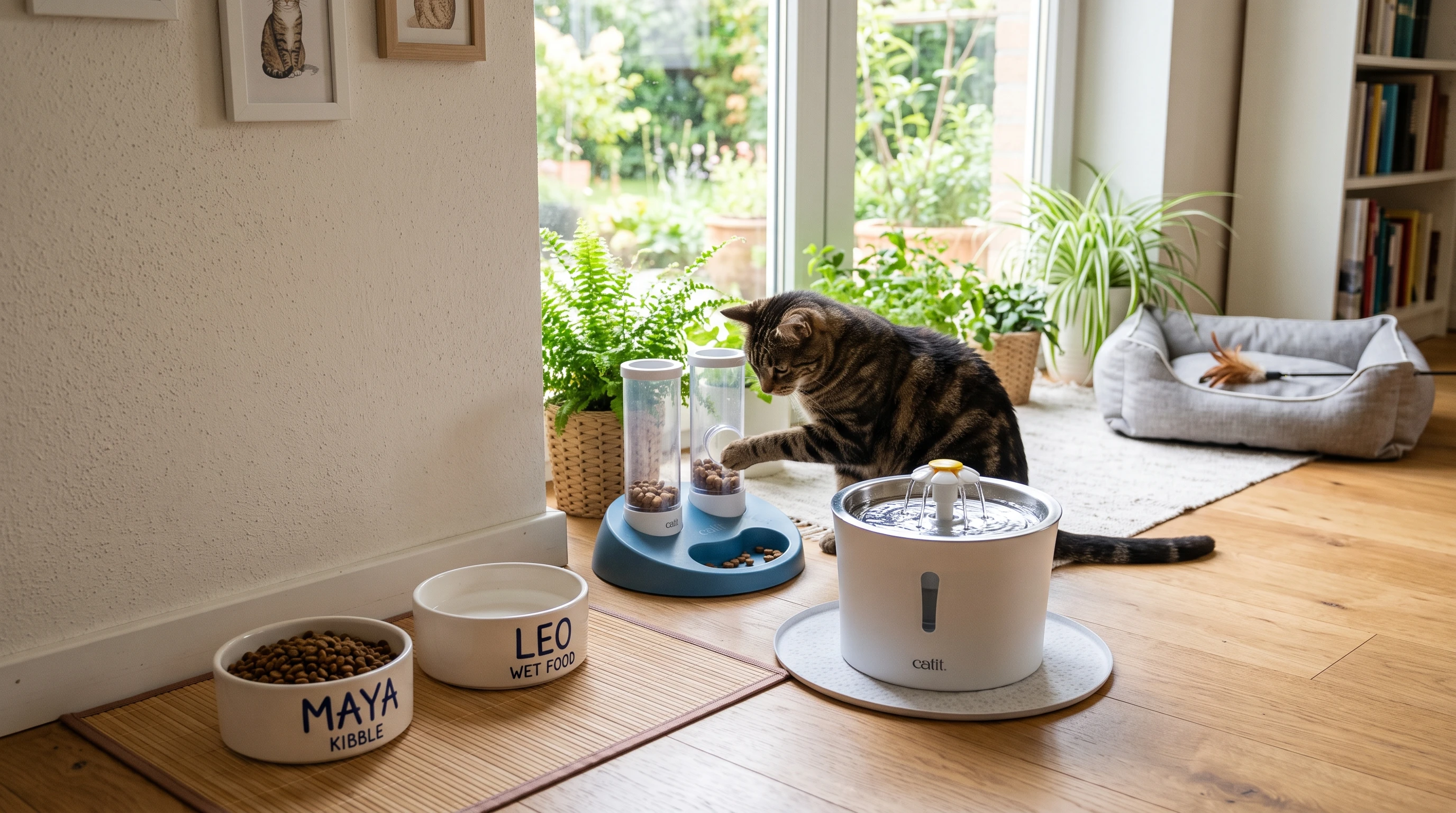
Creating a dedicated food station can make mealtimes more organized while giving your cat a comfortable spot to eat. Here are some of our picks for setting up a simple, practical, and cat-friendly feeding area:
Why a Cat Food Station Matters
Having a specific food station for cats is about more than just placing a bowl somewhere. I’ve noticed cats feel safer and more relaxed with a dependable space to eat; this may help encourage steady appetites and smoother routines. Separating food and water from litter boxes and sleeping spots gives cats a zone where they feel less threatened. In homes with two or more cats, individual stations let each pet claim space and control, cutting down on food guarding and anxiety. [1]
It often gets asked if these setups really matter. You might see positive changes, especially with shy cats, those with health challenges, and multi-cat households juggling different diets. A dedicated food area makes tracking each cat’s intake easier and keeps meals fresher. Plus, feeding stations are perfect for adding puzzle or foraging toys, which mentally stimulate and keep cats active. [1, 2]
Getting Started: Planning Your Cat Food Station
Setting up a solid eating area starts with size and location. Here’s what to keep in mind:
- Location Matters: Cats eat more comfortably in calm, low-traffic spots, far from strong smells and noisy appliances. Kitchen areas work if food isn’t next to litter boxes or swinging doors. [1, 2]
- Separation Is Key: Keeping food and water apart may be preferred. With multiple cats, give each feeding station plenty of space and a clear line of sight so no one feels crowded. [1]
- Safety and Cleanliness: Pick surfaces that can be wiped down easily, away from drafty doors. Slip-resistant mats under bowls keep everything tidy.
You can start by walking through your home to see where your cats spend their quiet time—those spots are usually best for food stations. Taking your cats’ personalities into account makes a big difference. Sensitive cats like secluded edges, while social cats might prefer stations with a view of the action. [1]
What to Include in the Cat Food Station
The best stations are basic but cover the essentials. Ideal must-haves include:
- Separate Bowls: Go with easy-to-clean, shallow bowls. The important practical point is that bowls should be kept clean.
- Fresh Water: Set water in its own bowl, several feet from the food supply. Many cats love drinking from a fountain, which you can pick up for an added boost in hydration and fun. [1, 3]
- Food Type: Choose complete and balanced food. Wet varieties add moisture, while dry food is easier to keep fresh. Some cats like a mix. Skip extra supplements unless your vet tells you to add them. [3]
- Puzzle Feeders or Foraging Toys: These spice up meals for indoor cats. Adding treats or tiny kibbles to toys awakens a cat’s natural hunting skills and busts boredom. [1, 2]
- Measuring Scoop or Scale: Meticulously measuring portions helps track intake, especially if your cat needs to shed a few pounds. [2, 4]
- Placemat or Tray: A waterproof, washable mat under the setup catches crumbs and accidental spills, keeping the surrounding area neat.
Consider cycling in some new toys or bowls every so often to keep your setup interesting for your cat.
How to Arrange Multiple Cat Food Stations in One Home
Feeding time can be tough with several cats, so separate food stations do wonders. My tried-and-true tips for peace at mealtime:
- Whenever possible, set up each cat’s eating area in a different room or at least several feet apart so they can eat calmly on their own. [1]
- Cats appreciate having line of sight—they want to watch who’s nearby but not feel overcrowded.
- Make use of vertical areas, like sturdy shelves, wall ledges, or cat trees for feeding, especially in small homes.
- Sticking to a regular schedule may help to build your cats’ routine and reduce pleading at odd hours.
If you have a dominant eater, shielding their station with furniture or placing extra bowls in out-of-the-way spots can give more timid cats a fair chance. You can try using folding screens or makeshift partitions to block visual contact between stations in tight apartments. [1]
Healthy Eating at the Cat Food Station
Promoting healthy habits starts with routine, balanced nutrition, and a little flex for picky eaters. Here’s what I’ve found works:
- Fresh Water: Wet food helps with hydration, but water bowls should be filled fresh daily. Fountains can spark interest in drinking for cats who prefer moving water. [3, 4]
- Wet Food’s Upside: Adding extra moisture can support water intake, especially in cats who may not drink much. It can also be more tempting for choosy eaters and may help stimulate their appetites. [3, 4]
- Managing Portions: Leaving food out all day (free feeding) can invite overeating. It may be recommended to opt for measured servings, so your cat sticks to a steady weight rather than gaining extra pounds. For cats with a tendency to overeat, it’s better to offer smaller, controlled meals. [2, 4]
- Offering Several Small Meals: Most cats flourish with a few small servings rather than a single big one. Splitting food into two or three meals can provide opportunities for more natural feeding behavior. [1, 2]
- Making Food Appealing: For choosy cats, try adding a drizzle of warm water on wet food, microwaving chilled food for just a few seconds, or varying textures. You may try switching up protein sources regularly (chicken, turkey, salmon), but always stick to balanced formulas. Learn more here.
Paying attention to individual cats’ quirks helps, too; some need more encouragement or actually like eating alone in a closet or quiet nook.
Cat Food Station Ideas for Small Spaces
Apartments and cozy homes still have plenty of options for functional feeding areas. Here’s how to help make it work in snug quarters:
- Stackable, space-saving bowls and slim mats are perfect for corners.
- Try feeding on different height shelves or wall ledges, freeing up your floor space for play and lounging.
- Use multi-purpose pieces, like benches with storage inside, where you can slip bowls out when it’s mealtime.
- Compact puzzle toys add fun even if your floor area is limited. [1, 2]
Tidiness is key to making a food station feel intentional, which in turn may help keep your cats calm and secure. I also recommend keeping pet-safe cleaning supplies close so spills get wiped up right away.
DIY and Eco-Friendly Cat Food Station Tips
Interested in simple, sustainable projects? DIY food stations are easy to make. I’ve seen people create setups from humble materials—wooden trays, upcycled boards, and even sturdy plastic bins. Give these eco-friendly tips a try:
- Use scrap wood, tile, or plastic for a tough, wipeable surface. Old cutting boards work well.
- Pick out reusable, dishwasher-proof bowls instead of disposable ones to reduce waste.
- Make puzzle feeders by cutting cat-safe holes in recycled cardboard tubes or sturdy containers.
- Choose natural fiber mats or silicone mats to minimize environmental impact and make cleanup a snap.
Customizing your food station gives you control over size, shape, and features—and it’s more affordable and environmentally sound than buying new gear every time your setup changes.
#ad
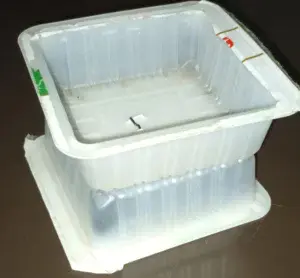
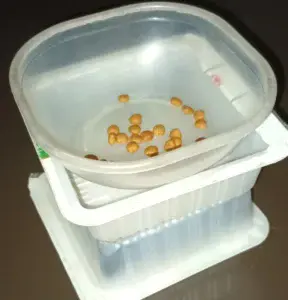
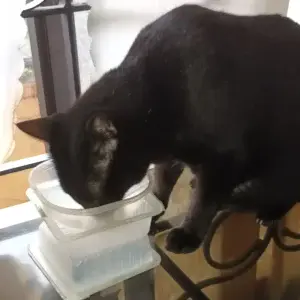
Image is of our cat, Rocky, eating from our homemade elevated cat bowl.
Got two empty tofu containers? Turn them into a simple elevated cat bowl!
We stacked the containers, secured them together with string, and topped them with a pet bowl. It’s an easy little DIY that gives reusable containers a new purpose while creating a raised feeding setup for your cat.
Safety Note: Make sure the containers are clean, sturdy, and securely tied together. Check that the bowl sits firmly on top and doesn’t wobble or tip. Always supervise your cat when trying a new DIY setup, and replace it if any part becomes loose or damaged.
Smart Features and Cat Food Station Upgrades
#ad
Affiliate links below.
Technology can give your basic cat food station a next-level cool upgrade. Here are features I love for busy schedules or special cats:
- Automatic Feeders: Program these gadgets to drop food at set times and in measured amounts. Handy for early risers or when you’re away at work. [2]
- Microchip or RFID Feeders: These bowls only open for the right cat. Essential in homes with special diets or cats on medications.
- Filtered Water Fountains: Moving water ensures freshness and may help some cats drink more. Filters catch debris and may help encourage picky drinkers. [3, 4]
- Digital Food Scales: Track how much your cat eats daily, which is handy for weight management or when you need to report to your vet. [2]
Utilizing these kinds of technologies lets you adjust for different needs and keep meal routines on track even if life gets hectic.
Common Problems and Solutions with Cat Food Stations
No setup is perfect from the start. Here’s how to smooth out common bumps:
- Food Guarding or Bullies: Separate food stations with baby gates or doors if needed. Everyone deserves a peaceful meal! [1]
- Mess and Spills: Mats and raised-edge bowls catch debris, and frequent cleaning prevents pests. You can keep pet-safe disinfectant wipes nearby for quick cleanings after meals.
- Picky Eaters: Swap out dish shapes, types of food, or try interactive toys for variety. Even small changes make a difference.
- Overeating: Go for meal portions rather than free feeding, and use puzzle toys to slow fast eaters. Routine keeps things under control. [1, 2, 4]
Trust your cats to “vote with their paws.” If something isn’t working, keep making minor tweaks. Their preferences guide you to the perfect setup over time.
Real-World Examples and Benefits of a Food Station
- Reducing Stress: Nervous cats may become more social and eat better when given a secure space. Separating food stations takes the edge off in multi-cat households. [1]
- Monitoring Health: Consistent spots make it easy to spot appetite changes, track any tummy troubles, and adjust diets quickly and effectively.
- Encouraging Activity: Foraging toys and frequent small meals keep cats moving and thinking, which may help cut down on extra weight. [1, 2]
- Cleanliness: Defined stations make messes easy to spot, collect crumbs and spills, and cut back on spoiled food lingering out of sight.
Even a few simple tweaks to where you feed your cats make a real difference in their happiness—and save you hassles, too.
Frequently Asked Questions
Question: Can I use one food station for all my cats?
Answer: From experience, it’s better to give each cat their own spot, especially with more than one pet in the home. If that isn’t possible, separate the bowls as much as you can and consider feeding in shifts, especially if temperaments clash. [1]
Question: Are puzzle feeders or food toys worth it?
Answer: Yes, they may provide some benefits. Meal toys turn eating into fun and can really slow down overeating, especially for indoor cats. You can use them for both dry and wet food and some owners may notice improvements in cats who tend to eat quickly or overeat. [1, 2]
Question: How do I stop my cat from overeating?
Answer: Serving meals in measured amounts, rather than letting food sit out, works best in my experience. If your cat is a die-hard grazer, cut down on available food gradually and use interactive feeders to stretch out eating times. [2, 4]
Question: Can I make a DIY cat food station?
Answer: Yes, for sure. Homemade stations are practical and customizable. Choose surfaces that stay clean easily, slip-proof mats, and flexibility to adjust the height for any older or cats with mobility issues.
Cat food stations make feeding routines smooth and help your cat feel secure and confident. Whether your space is a single quiet corner or a busy home filled with feline personalities, setting up a thoughtful meal zone pays off with healthier, happier cats—and much less mealtime stress for you.
References
1. Ellis SL, Rodan I, Carney HC, Heath S, Rochlitz I, Shearburn LD, Sundahl E, Westropp JL. AAFP and ISFM feline environmental needs guidelines. Journal of Feline Medicine and Surgery. 2013;15(3):219–230. doi:10.1177/1098612X13477537. https://pmc.ncbi.nlm.nih.gov/articles/PMC11383066/ View source
2. Quimby J, Gowland S, Carney HC, DePorter T, Plummer P, Westropp J. 2021 AAHA/AAFP Feline Life Stage Guidelines. Journal of Feline Medicine and Surgery. 2021;23(3):211–233. doi:10.1177/1098612X21993657. https://pmc.ncbi.nlm.nih.gov/articles/PMC10812130/ View source
3. Cornell University College of Veterinary Medicine, Feline Health Center. Feeding Your Cat. https://www.vet.cornell.edu/departments-centers-and-institutes/cornell-feline-health-center/health-information/feline-health-topics/feeding-your-cat
4. Cornell University College of Veterinary Medicine, Feline Health Center. How Often Should You Feed Your Cat? https://www.vet.cornell.edu/departments/cornell-feline-health-center/health-information/feline-health-topics/how-often-should-you-feed-your-cat